
Digital Marketing Trends 2026: Navigating the Future of Engagement
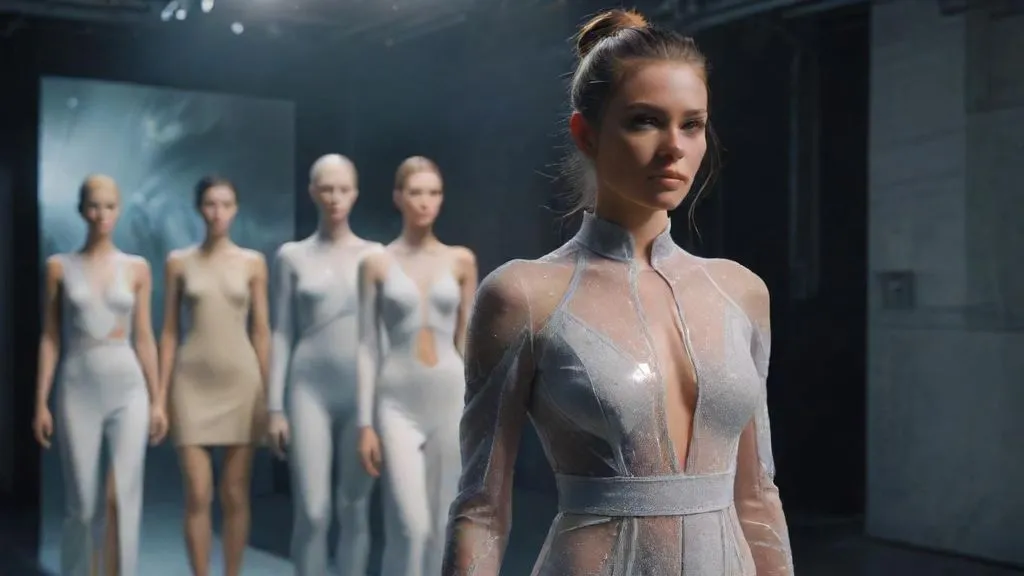
The digital landscape is a relentless torrent of innovation, and what's cutting-edge today can be obsolete tomorrow. As we hurtle towards 2026, marketers must anticipate and adapt to seismic shifts driven by artificial intelligence, immersive technologies, and evolving consumer values. Understanding the digital marketing trends 2026 will be not just an advantage, but a necessity for brands aiming to connect meaningfully with their audiences and secure a competitive edge. The next few years promise a convergence of technologies that will redefine personalization, content creation, and brand-consumer interaction. From hyper-intelligent AI assistants to deeply immersive virtual experiences, the marketing toolkit is expanding dramatically. This article delves into the top trends that will shape digital marketing in 2026, offering insights and examples to help you prepare for the future. Hyper-Personalization at Scale: Beyond Basic Segmentation In 2026, personalization will transcend basic segmentation, evolving into hyper-personalization delivered at an unprecedented scale. AI and machine learning algorithms will analyze vast datasets – including real-time behavior, emotional cues, and predictive analytics – to craft truly unique and dynamic customer journeys. Imagine an e-commerce site that not only recommends products based on past purchases but also anticipates your needs, adjusts pricing in real-time based on your perceived value, and presents content tailored to your current mood or intent. Predictive AI for Individual Journeys This isn't just about 'you might also like'; it's about 'we know what you need before you do.' AI-driven platforms will generate bespoke landing pages, email content, and ad creatives for individual users, optimizing every touchpoint for maximum relevance. For example, a travel brand might use AI to suggest a weekend getaway based on your recent social media activity, local weather forecasts, and even your calendar availability, presenting it with imagery and language proven to resonate with your demographic. Studies indicate that personalized experiences can increase conversion rates by 20% or more, a figure set to grow as AI capabilities mature. The Metaverse and Immersive Experiences: New Frontiers for Brands While still in its nascent stages, the metaverse is poised to become a significant arena for digital marketing by 2026. This interconnected network of virtual worlds will offer brands unparalleled opportunities for immersive engagement, experiential marketing, and new forms of commerce. Think beyond passive advertising; envision interactive virtual storefronts, brand-sponsored events within gaming environments, and AR-enhanced product try-ons. Virtual Brand Worlds and Experiential Marketing Brands will establish persistent virtual presences, allowing consumers to 'visit' their stores, interact with products in 3D, and participate in unique brand experiences. A fashion brand, for instance, could host a virtual runway show where attendees can instantly purchase digital wearables for their avatars or even physical garments delivered to their homes. The global metaverse market is projected to continue its rapid expansion, reaching hundreds of billions by 2026, making it a crucial space for early adopters to build brand equity and foster deeper consumer connections. AI-Powered Content Creation and Optimization: The Rise of Generative Marketing Generative AI will revolutionize content creation and optimization by 2026. AI tools will not only assist marketers in drafting copy, designing visuals, and producing video but will also autonomously generate entire campaigns, adapt content for different platforms, and optimize performance in real-time. This frees up human marketers to focus on strategy, creativity, and deeper customer understanding. Dynamic Content and Predictive SEO Imagine AI capable of writing blog posts, crafting social media updates, and even producing personalized video snippets, all while adhering to brand guidelines and SEO best practices. These tools will dynamically A/B test variations across audiences, identifying optimal messaging and imagery instantly. Furthermore, predictive SEO powered by AI will anticipate search trends and content gaps, allowing brands to create highly relevant content before competitors. Businesses leveraging AI for content generation and optimization are already reporting up to a 30% increase in efficiency and reach, a trend that will accelerate dramatically. Ethical AI and Data Privacy: Building Trust in a Data-Rich World As AI becomes more pervasive, the ethical implications and the imperative for robust data privacy will move front and center. By 2026, consumers will demand greater transparency in how their data is collected, used, and protected. Brands that prioritize ethical AI practices and demonstrate a clear commitment to privacy will build stronger trust and loyalty. Transparency and Explainable AI Marketers will need to adopt 'privacy-by-design' principles, ensuring that data collection is minimal, purposeful, and transparent. Explainable AI (XAI) will become increasingly important, allowing consumers to understand why an AI made a particular recommendation or decision. A recent survey revealed that over 80% of consumers are concerned about their data privacy online, highlighting the critical need for brands to communicate their data practices clearly and honestly. Brands seen as trustworthy guardians of data will gain a significant competitive advantage. Sustainable and Purpose-Driven Marketing: Values-Aligned Engagement The conscious consumer movement will continue to gain momentum, making sustainable and purpose-driven marketing non-negotiable by 2026. Consumers, particularly younger generations, will increasingly align their purchasing decisions with brands that demonstrate genuine commitment to environmental, social, and governance (ESG) principles. Authenticity and Impact Storytelling Marketing will shift from merely promoting products to communicating a brand's positive impact on the world. This requires authenticity; greenwashing or superficial gestures will be quickly exposed. Brands will need to transparently share their sustainability efforts, ethical supply chains, and social initiatives. For example, a clothing brand might highlight its use of recycled materials, fair labor practices, and carbon-neutral shipping in its campaigns. Consumers are 4-6 times more likely to purchase from purpose-driven companies, making this a critical area for brand differentiation and loyalty. Conversational AI and Voice Search: The Interface of the Future By 2026, conversational AI and voice search will be deeply integrated into the customer journey, evolving beyond simple queries to complex, multi-turn interactions. Advanced chatbots and virtual assistants, capable of understanding nuanced language and context, will handle a significant portion of customer service, sales, and support functions. Multimodal Interactions and Voice Commerce This trend extends to voice commerce, where consumers will increasingly make purchases through smart speakers, in-car systems, and other voice-activated devices. Marketers will need to optimize content for conversational queries, ensuring their products and services are easily discoverable and purchasable via voice. Imagine a scenario where a customer asks their smart assistant to 'order more of my favorite coffee,' and the AI handles the entire transaction based on past preferences. By 2026, it's estimated that over 70% of customer interactions will involve AI chatbots or machine learning applications, underscoring the importance of this channel. Short-Form Video Dominance and Interactive Content: Engaging the Attention Economy The explosive growth of short-form video platforms like TikTok and Instagram Reels is just the beginning. By 2026, short-form video will be the dominant content format, evolving with more interactive features and direct commerce integrations. Brands will need to master concise, engaging storytelling that captures attention within seconds. Shoppable Video and Live Stream Engagement Interactive elements such as polls, quizzes, and augmented reality filters will become standard, transforming passive viewing into active participation. Shoppable videos, where products can be purchased directly within the video player, will become commonplace. Live streaming, particularly for product launches, Q&A sessions, and behind-the-scenes content, will offer real-time engagement and community building. Short-form video content typically boasts engagement rates up to 2.5 times higher than other formats, making it an indispensable tool for capturing the fleeting attention of modern consumers. Conclusion: Preparing for the Dynamic Digital Marketing Landscape of 2026 The digital marketing trends 2026 paint a picture of a highly dynamic, technologically advanced, and consumer-centric landscape. From the precision of hyper-personalization and the immersion of the metaverse to the efficiency of AI-powered content and the authenticity of purpose-driven marketing, the future demands agility and foresight. Marketers who embrace these shifts, invest in new technologies, and prioritize ethical practices will be best positioned to thrive. The key to success in 2026 will lie in leveraging these trends to build deeper, more meaningful connections with audiences, ultimately driving sustainable growth and brand loyalty in an ever-evolving digital world.