Eco-Chic Future: Top 10 Sustainable Fashion Trends to Watch in 2025
Discover the top 10 sustainable fashion trends for 2025, from circular models and bio-based fabrics to digital fashion and fair labor practices. Learn how to embrace eco-chic style.


The fashion industry is at a pivotal crossroads, with growing consumer awareness and environmental concerns driving a significant shift towards sustainability. As we look towards 2026, the landscape of fashion is being reshaped by innovative practices, ethical considerations, and a renewed commitment to planetary well-being. This article delves into the top 9 sustainable fashion trends that are set to dominate in 2026, offering insights into their impact and practical tips for you to integrate them into your wardrobe.
Moving beyond the linear 'take-make-dispose' model, circular fashion aims to keep resources in use for as long as possible. This means designing garments for durability, repair, reuse, and ultimately, recycling. Fashion rental services are a booming segment of this trend, allowing consumers to enjoy a diverse wardrobe without the commitment of ownership, drastically reducing consumption and waste. Look for brands offering take-back programs or explore rental platforms for special occasions.
Upcycling continues to gain momentum, transforming existing materials and garments into new, often unique, pieces. This trend not only diverts textiles from landfills but also fosters creativity and individuality. From designers reimagining vintage clothing to consumers customizing old items, upcycling celebrates resourcefulness. Consider attending local workshops or experimenting with DIY upcycling projects to give your old clothes a new lease on life.
The quest for sustainable textiles is leading to groundbreaking innovations. Beyond organic cotton and recycled polyester, 2026 will see a surge in biodegradable materials derived from agricultural waste (like pineapple leaves or mushroom mycelium), algae, and even lab-grown alternatives that mimic traditional fabrics with a lower environmental footprint. Pay attention to labels and research brands that are transparent about their material sourcing and innovation.
Consumers are increasingly demanding to know the story behind their clothes. Brands are responding by providing greater transparency regarding their supply chains, from the origin of raw materials to manufacturing processes and labor practices. Blockchain technology is playing a crucial role in enabling this traceability. Support brands that openly share their sustainability reports and supply chain information, empowering you to make informed ethical choices.
In stark contrast to fast fashion's disposable culture, slow fashion emphasizes quality over quantity, timeless design, and emotional durability. This trend encourages consumers to invest in well-made, versatile pieces that transcend fleeting trends and can be worn for years. The focus is on conscious consumption, caring for clothes, and building a wardrobe that lasts. Prioritize classic silhouettes and durable fabrics when making new purchases.
While seemingly futuristic, digital fashion offers a zero-waste alternative to physical clothing production. Virtual garments can be 'worn' in online spaces, reducing the need for physical samples and excess inventory. Furthermore, virtual try-on technologies help minimize returns due to sizing issues, cutting down on logistical emissions. Explore brands experimenting with augmented reality (AR) try-ons or engaging with the metaverse fashion scene.
This trend focuses on farming practices that not only sustain but actively improve soil health, biodiversity, and water conservation. Regenerative agriculture, applied to fibers like cotton, wool, and linen, helps sequester carbon from the atmosphere, making textile production a solution rather than a problem. Seek out brands that partner with farms practicing regenerative methods, contributing to healthier ecosystems.
The pre-loved market is booming, challenging traditional retail models and making sustainable fashion more accessible and fashionable than ever. Online platforms and brick-and-mortar vintage stores offer a vast array of unique garments, extending their lifespan and reducing the demand for new production. Embrace second-hand shopping as your first choice for unique finds and incredible value.
Reducing global supply chains and supporting local economies are key aspects of sustainable fashion. Localized production minimizes transportation emissions and allows for greater oversight of labor conditions. Simultaneously, there's a resurgence in appreciating artisan craftsmanship, preserving traditional skills, and valuing handmade garments. Look for brands that highlight their local production and celebrate the hands behind their creations.
The future of fashion is undeniably sustainable. By understanding these 9 top trends for 2026 and adopting more conscious consumption habits, you can play a vital role in shaping a more responsible and ethical industry. Every choice, big or small, contributes to a more sustainable planet and a more stylish, eco-friendly wardrobe.
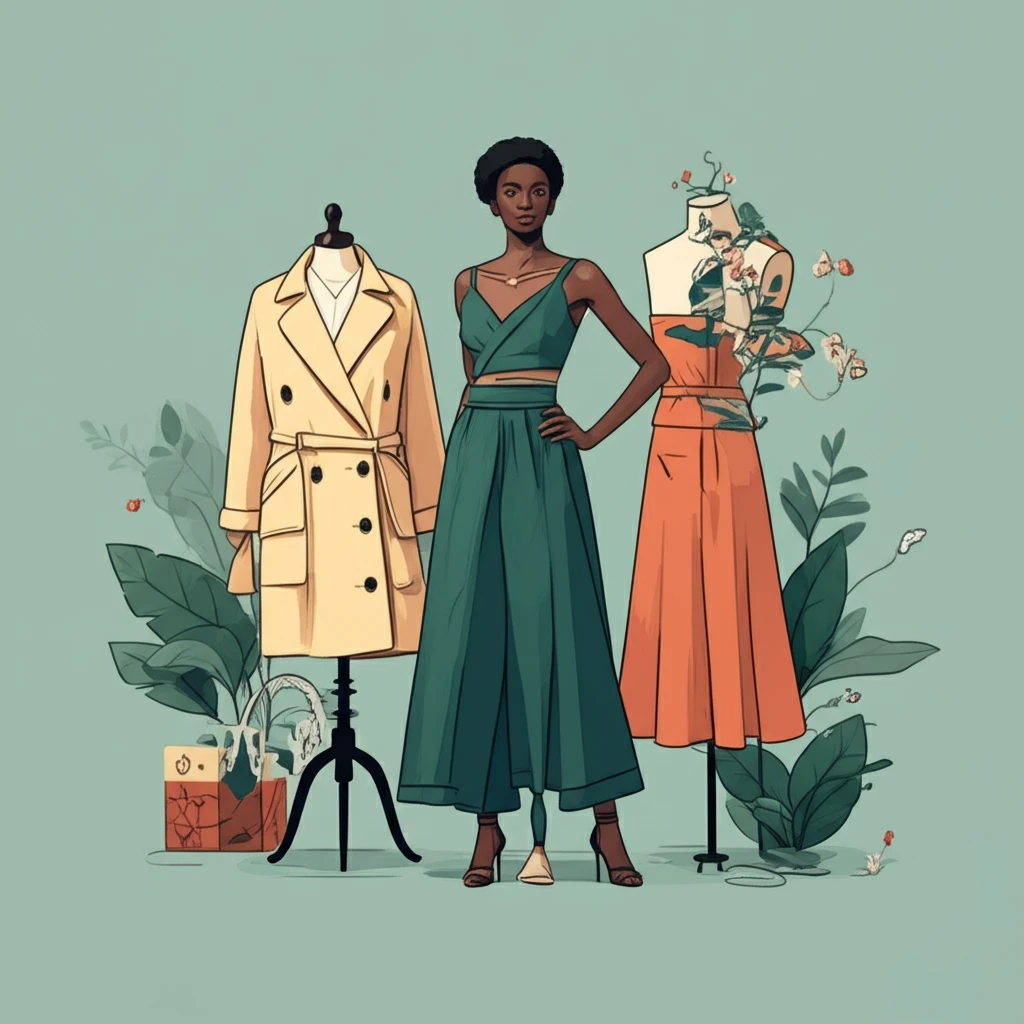 October 11
Discover the top 10 sustainable fashion trends for 2025, from circular models and bio-based fabrics to digital fashion and fair labor practices. Learn how to embrace eco-chic style.
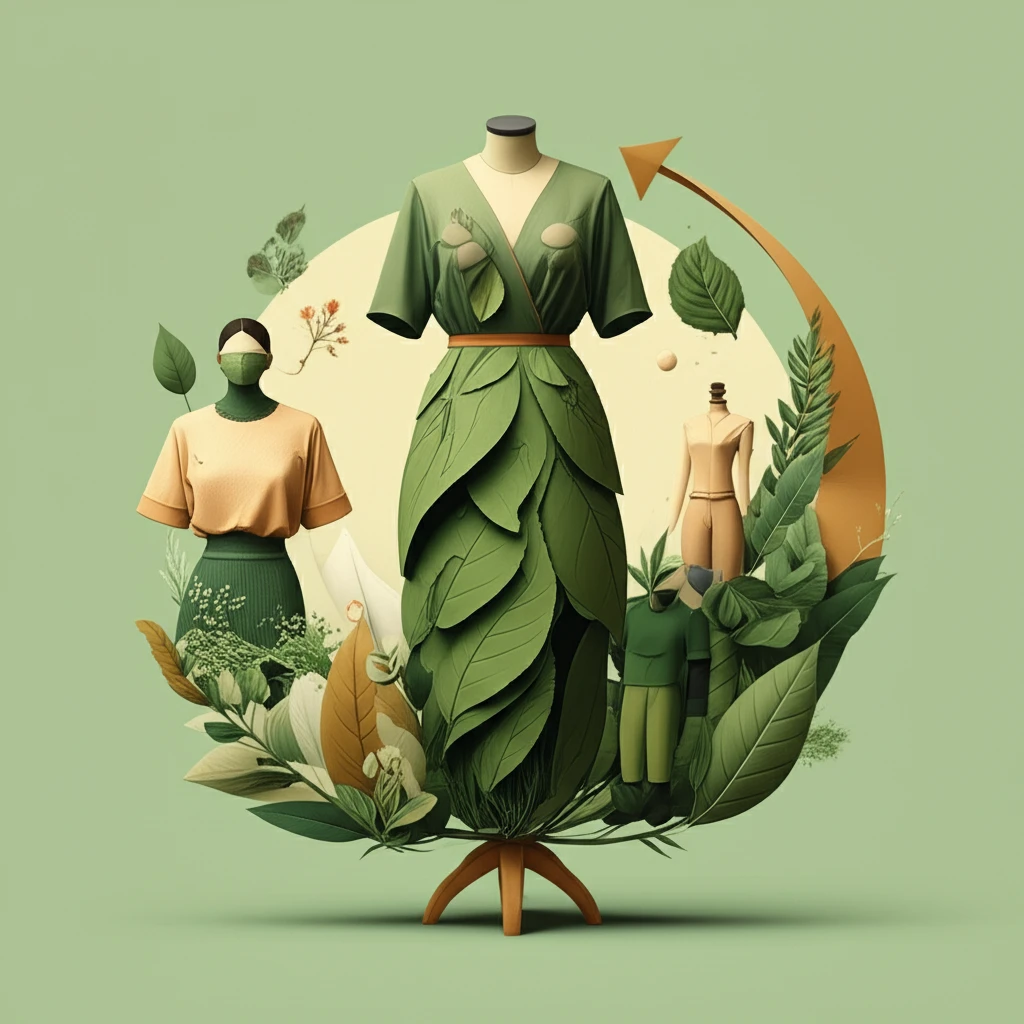 October 11
Discover the top 10 sustainable fashion trends shaping 2025. Learn about eco-friendly materials, circular fashion, ethical production, and practical tips to build a greener wardrobe.
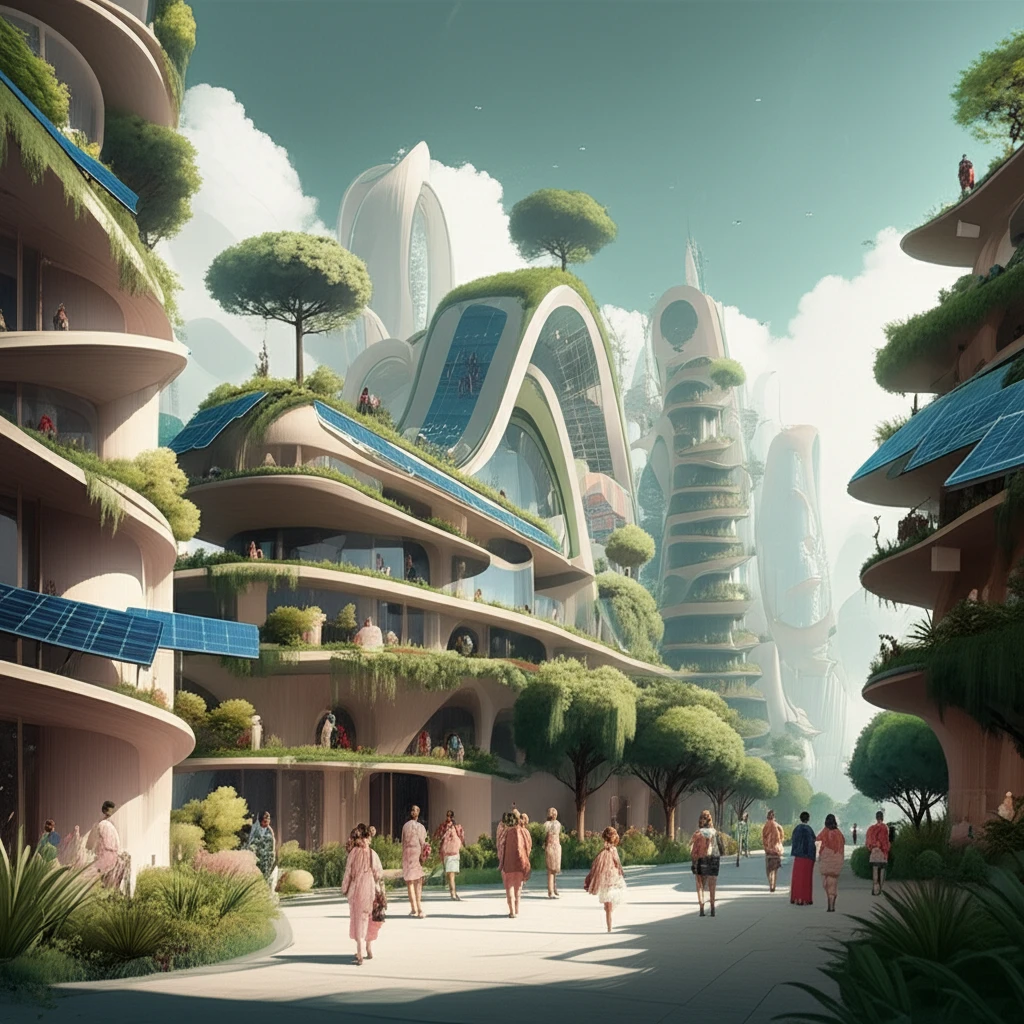 October 11
Explore the top 10 sustainable fashion trends shaping 2025. Discover eco-friendly materials, circular models, and practical tips to build an ethical wardrobe. Future-proof your style!