Top 10 Designer Profile Trends for 2025: Shaping the Future of Fashion
Fashion is a relentless current, constantly shifting and redefining itself. As we look towards 2025, the landscape of designer profiles—the archetypes of creative visionaries influencing what we wear—is more diverse and dynamic than ever. From digital innovators to sustainable pioneers, these trends are not just about aesthetics; they represent deeper shifts in culture, technology, and our collective consciousness. Understanding these profiles is key to anticipating and embracing the styles that will dominate the coming year.
This article delves into the top 10 designer profile trends set to define 2025, offering insights into their ethos, key characteristics, and practical tips for integrating these cutting-edge styles into your wardrobe. Get ready to explore the minds shaping tomorrow's fashion.
The Evolving Landscape of Fashion Design
The fashion industry is undergoing a profound transformation, driven by an increased demand for sustainability, the rapid integration of technology, and a globalized perspective on style. Designers are no longer just creating clothes; they are crafting narratives, championing causes, and pushing the boundaries of what fashion can be. The traditional mold of a 'designer' has expanded, giving rise to diverse profiles that cater to a more conscious, connected, and individualistic consumer base.
Decoding the Top 10 Designer Profile Trends for 2025
1. The Sustainable Innovator
Who they are: These designers are at the forefront of ethical and eco-conscious fashion. They prioritize circular design, use recycled or upcycled materials, champion fair labor practices, and minimize environmental impact throughout their supply chain. Their collections often feature natural dyes, innovative fabric alternatives (like mushroom leather or seaweed textiles), and timeless pieces designed to last.
Example: A brand renowned for transforming textile waste into high-fashion garments or cultivating regenerative raw materials. Think collections that are traceable from fiber to finished product.
Practical Tip: When shopping, look for certifications (GOTS, Fair Trade), transparency reports, and brands that clearly articulate their sustainability mission. Invest in durable, versatile pieces made from eco-friendly materials.
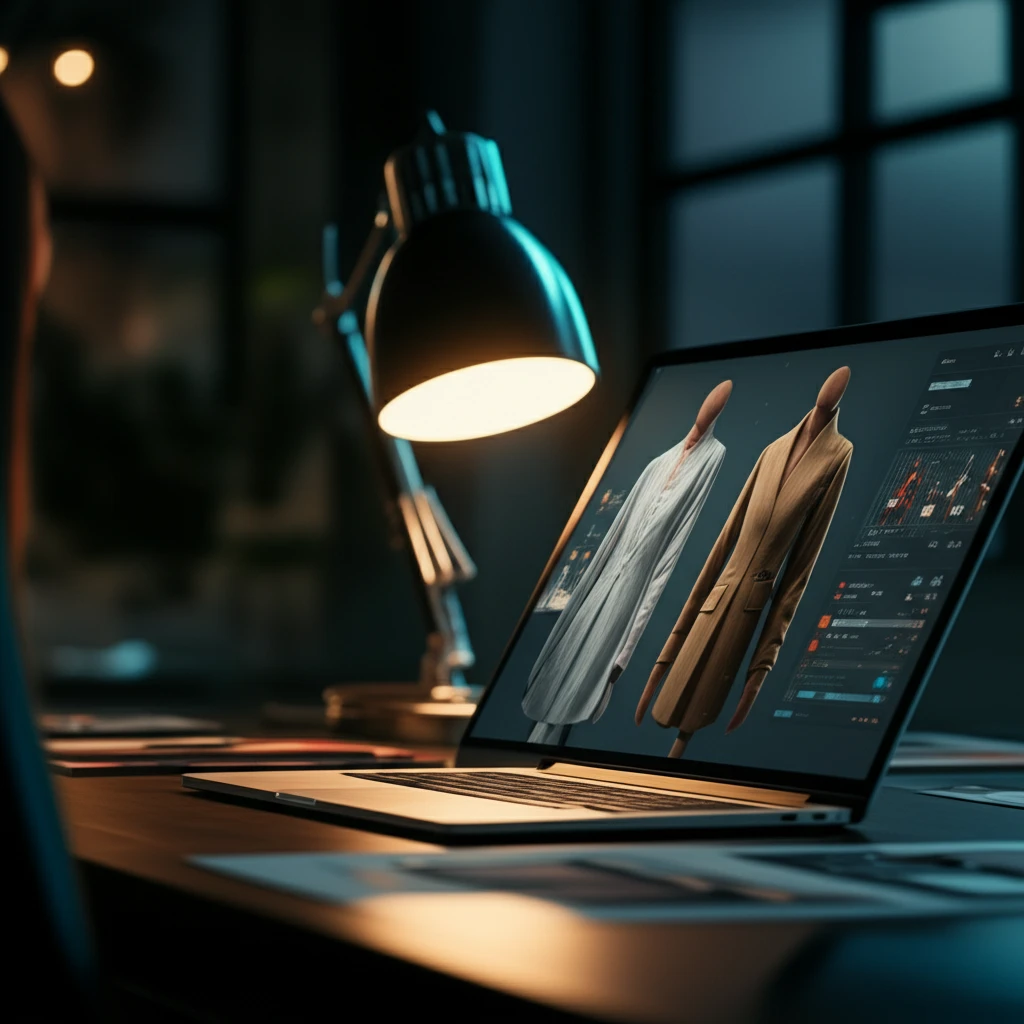
2. The Digital Pioneer
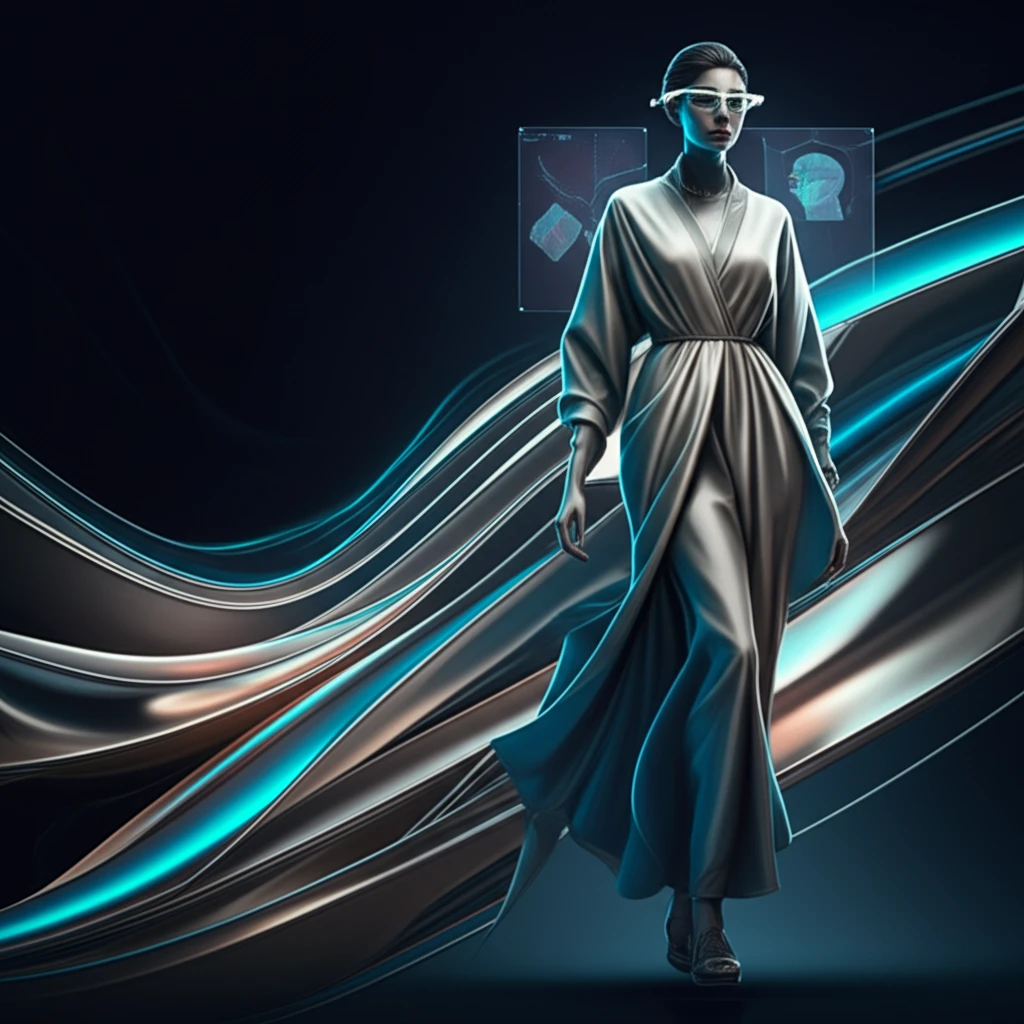
Who they are: Navigating the intersection of fashion and technology, these designers create for both the physical and virtual worlds. They explore NFTs, metaverse fashion, AI-assisted design, and augmented reality (AR) experiences. Their work challenges traditional notions of ownership and consumption, often producing digital-only collections or virtual wearables.
Example: A designer launching a collection exclusively as NFTs that can be 'worn' on avatars, or creating virtual fashion shows that blend physical garments with digital overlays.
Practical Tip: Explore digital fashion platforms like DressX or The Fabricant. Engage with brands experimenting with AR filters for virtual try-ons, and consider how digital fashion might complement your physical wardrobe.
3. The Gender-Fluid Visionary
Who they are: Breaking down traditional gender binaries, these designers create collections that are inherently inclusive and designed for all. Their focus is on universal fit, versatile silhouettes, and an aesthetic that transcends conventional masculine or feminine labels. Expect deconstructed tailoring, relaxed fits, and a celebration of individual expression.
Example: A brand releasing entire collections without specific gender labels, featuring oversized blazers, unisex skirts, and gender-neutral color palettes that allow for personal interpretation.
Practical Tip: Don't limit your choices to traditionally gendered sections. Experiment with proportions, layering, and silhouettes that feel comfortable and authentic to your personal style, regardless of societal norms.
4. The Artisan Revivalist
Who they are: These designers cherish craftsmanship, tradition, and the beauty of handmade details. They often collaborate with local artisans, preserve heritage techniques (like intricate embroidery, weaving, or natural dyeing), and emphasize slow fashion over mass production. Their pieces often tell a story and carry a unique, human touch.
Example: A designer working with indigenous communities to incorporate traditional weaving patterns into contemporary garments, or creating limited-edition pieces using ancestral dyeing methods.
Practical Tip: Seek out unique, handcrafted items that offer a sense of artistry and individuality. Invest in pieces that highlight traditional techniques, knowing they often represent a slower, more deliberate production process.
5. The Tech-Integrated Stylist
Who they are: While similar to Digital Pioneers, Tech-Integrated Stylists focus more on wearable technology that enhances functionality in physical garments. This includes smart fabrics, integrated sensors, adaptive clothing, and intelligent accessories that blend seamlessly with high fashion. Their designs offer both aesthetic appeal and practical innovation.
Example: Apparel with integrated health monitors, self-cleaning fabrics, temperature-regulating jackets, or garments that change color with a smartphone app.
Practical Tip: Look for clothing or accessories that offer a practical benefit beyond style. Explore brands that are subtly integrating features like UV protection, moisture-wicking technology, or smart connectivity into everyday wear.
6. The Streetwear Architect
Who they are: These designers elevate streetwear to a high-fashion art form. They blend urban aesthetics with luxury materials, meticulous tailoring, and thought-provoking graphics. Their collections often reflect cultural commentary, youth movements, and a fusion of comfort with cutting-edge design.
Example: A brand known for its deconstructed hoodies made from premium cashmere, tailored cargo pants, or graphic tees that feature collaborations with renowned artists.
Practical Tip: Incorporate high-quality, structured streetwear pieces into your wardrobe. Mix and match luxury basics with statement graphic items. Focus on fit and fabric to elevate casual looks.
7. The Minimalist Modernist
Who they are: Championing clean lines, neutral palettes, and functional elegance, these designers focus on timelessness and versatility. Their aesthetic is characterized by sophisticated simplicity, precise tailoring, and a commitment to quality over trend-driven excess. Pieces are often modular and designed to be effortlessly mixed and matched.
Example: A collection featuring perfectly cut wool coats, fluid silk blouses, and tailored trousers in a palette of black, white, grey, and earth tones, designed to be seasonless.
Practical Tip: Build a capsule wardrobe around high-quality, versatile basics. Prioritize classic silhouettes and durable fabrics. Focus on tailoring and subtle details that enhance rather than overpower.
8. The Maximalist Storyteller
Who they are: In stark contrast to minimalists, these designers embrace bold prints, vibrant colors, eclectic layering, and dramatic silhouettes. They use fashion as a medium for expressive individuality, telling complex narratives through rich textures, intricate embellishments, and unexpected combinations. More is always more.
Example: A collection featuring clashing floral and geometric prints, oversized bows, sequined fabrics, and an abundance of ruffles, all layered together to create a cohesive, artistic statement.
Practical Tip: Don't shy away from experimenting with color, pattern, and texture. Learn to layer effectively and use accessories to amplify your personal narrative. Start with one statement piece and build around it.
9. The Cultural Fusionist
Who they are: These designers draw inspiration from diverse global cultures, blending traditional aesthetics with contemporary design. They often engage in cross-cultural collaborations, highlighting unique craftsmanship and storytelling from around the world. Their work celebrates diversity and interconnectedness.
Example: A designer combining traditional African wax prints with modern European silhouettes, or integrating intricate Asian embroidery techniques into Western-style gowns.
Practical Tip: Explore international designers and brands that celebrate global heritage. Appreciate pieces that reflect cultural artistry and provide a window into different traditions. Look for thoughtful and respectful appropriations.
10. The Upcycling Guru
Who they are: A distinct subset of sustainable innovators, Upcycling Gurus specialize in transforming existing garments, deadstock fabrics, and vintage finds into new, unique pieces. They champion creativity, resourcefulness, and zero-waste principles, offering one-of-a-kind designs that often carry a unique history.
Example: A designer deconstructing vintage denim jackets and reconstructing them into new, bespoke pieces with added textile scraps, or creating patchwork garments from discarded fabric swatches.
Practical Tip: Support brands that offer reconstructed or upcycled collections. Explore local artisans who specialize in breathing new life into old clothes. Consider trying your hand at DIY upcycling to personalize your wardrobe.
Practical Tips for Embracing 2025 Fashion Trends
- Stay Informed: Follow leading fashion publications, designers, and trend forecasters to keep abreast of new developments.
- Define Your Style: Understand which of these designer profiles resonate most with your personal aesthetic and values. Not every trend is for everyone.
- Invest Wisely: Prioritize quality and longevity, especially for pieces aligned with sustainable or artisanal trends.
- Experiment and Personalize: Don't be afraid to try new things and adapt trends to fit your unique look. Fashion is about self-expression.
- Prioritize Ethics: As consumers, our choices have power. Support designers and brands that align with your ethical considerations, be it sustainability, fair labor, or inclusivity.
Conclusion
The fashion landscape of 2025 promises to be an exciting blend of innovation, consciousness, and creativity. The designer profiles emerging are not just setting trends; they are redefining the very essence of what fashion means in a rapidly changing world. By understanding these key movements, you can navigate the future of style with confidence, ensuring your wardrobe is not only fashionable but also reflective of the values and vision shaping tomorrow's world.