10 Revolutionary Haute Couture Trends Shaping 2025
Discover the 10 revolutionary Haute Couture trends shaping 2025. Explore sustainable opulence, digital craftsmanship, gender-fluid designs & more. Get insights into elite fashion.

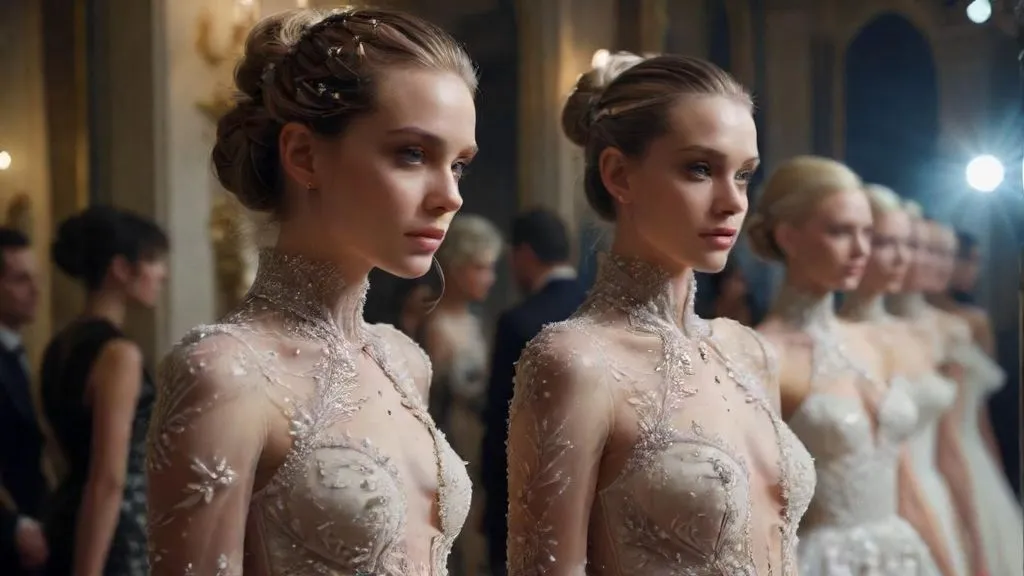
Haute Couture, the pinnacle of fashion artistry, continues to evolve, pushing the boundaries of creativity, craftsmanship, and innovation. As we gaze towards 2026, the runways are set to unveil a breathtaking array of trends that marry tradition with futuristic visions. These aren't just clothes; they are wearable art, embodying the dreams and aspirations of an industry constantly redefining elegance and expression. For those with a keen eye on high fashion, understanding these shifts is key to anticipating the aesthetic direction of luxury.
From sustainable opulence to digitally enhanced craftsmanship, the upcoming year promises a rich tapestry of styles. Let's dive into the top 10 Haute Couture trends that will define 2026, offering insights, examples, and practical tips for appreciating (and perhaps even incorporating) these magnificent statements.
2026 will see sustainability move beyond a niche concern to become an intrinsic part of Haute Couture's grand narrative. Designers are increasingly sourcing ethical, recycled, and biodegradable materials without compromising on luxurious aesthetics. Expect to see gowns crafted from innovative plant-based silks, lab-grown diamonds, and intricate embellishments made from upcycled elements.
Technology will play a more visible role in Haute Couture. From garments designed using advanced 3D modeling and printing techniques to interactive elements that come alive with augmented reality (AR) apps, digital innovation is enhancing traditional craftsmanship. This trend blurs the lines between physical and virtual fashion, offering new dimensions of detail and surprise.
Haute Couture in 2026 will continue to break down traditional gender norms, offering exquisite garments that celebrate individuality and personal expression over prescribed roles. This trend will manifest in sophisticated, fluid silhouettes that defy easy categorization, incorporating elements traditionally associated with menswear into womenswear, and vice versa, with unprecedented grace.
This paradoxical trend combines the clean lines and purity of minimalism with bursts of opulent detail. Think sculptural forms in muted tones, suddenly interrupted by a cascade of hand-embroidered pearls, a single dramatic feather, or an unexpected voluminous sleeve. It’s about restraint amplifying impact, making every embellishment count.
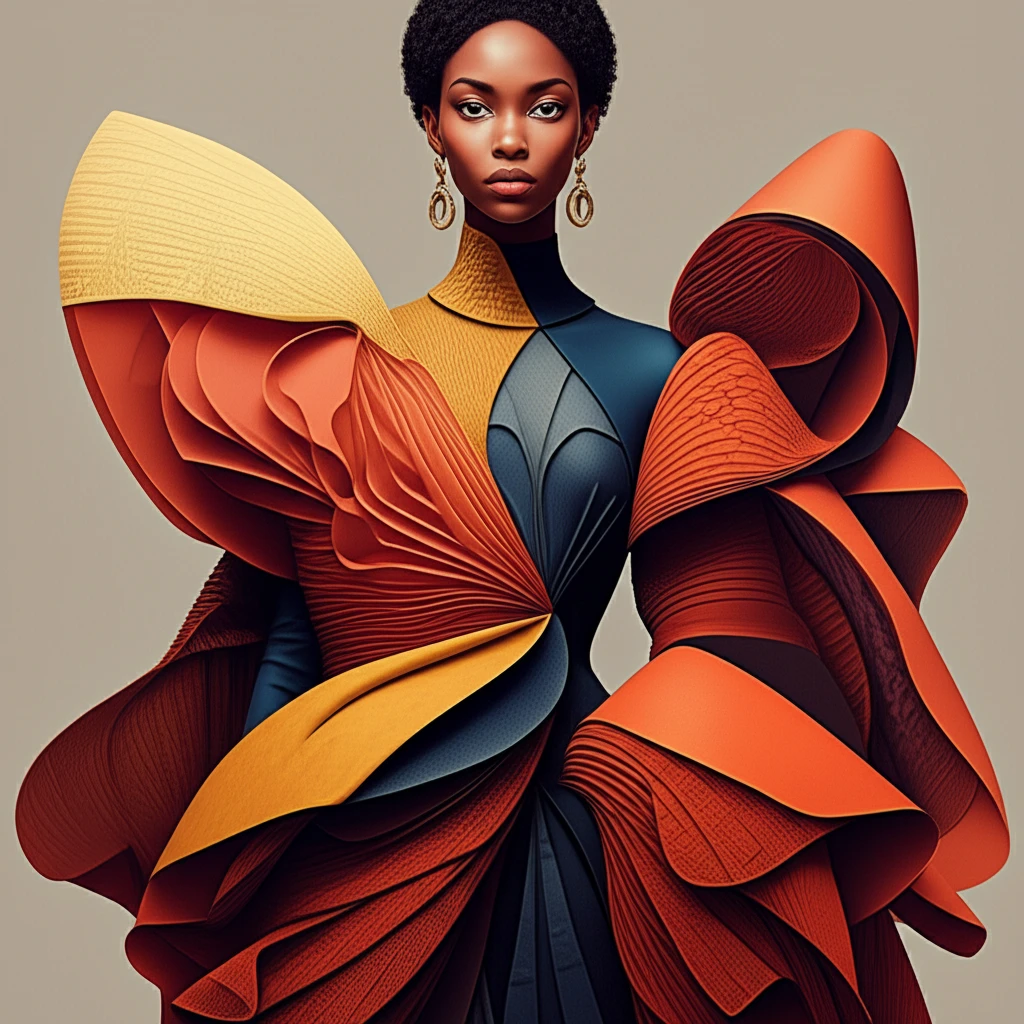
Designers will continue to draw inspiration from architecture, creating garments with dramatic, defined structures, bold angles, and impressive volumes. These pieces are not just worn; they are inhabited, transforming the wearer into a moving sculpture. Expect sharp lines, dramatic flares, and engineered constructions that defy gravity.
The rich history of Haute Couture will be celebrated through a contemporary lens. Traditional techniques like intricate lacemaking, meticulous beadwork, and classic tailoring are revisited with modern materials, unexpected color palettes, or deconstructed applications. This trend honors the past while firmly looking towards the future.
Couture pieces that offer versatility and dynamic transformation will gain prominence. These are garments that can change shape, length, or even function through clever construction, detachable elements, or innovative fabric memory. It reflects a desire for pieces that are not only beautiful but also adaptable and engaging.
A focus on the sensory experience will drive a trend for rich, hand-crafted textures and embellishments. Think intricate embroidery, elaborate fringe work, hand-painted details, and innovative fabric manipulations that create a feast for the eyes and touch. The beauty lies in the meticulous, often labor-intensive, handiwork.
While classic shades will always have their place, 2026 will embrace daring and unconventional color combinations. Expect vibrant clashes, electric neons paired with earthy tones, and surprising gradients that create a powerful visual impact. It’s about challenging traditional color theory to evoke new emotions and narratives.
At its heart, Haute Couture is about creating unique pieces for individual clients. In 2026, this personalization will become even more pronounced, with designers collaborating more intimately with clients to infuse personal narratives, symbols, and desires directly into the garment's design. It's the ultimate form of self-expression rendered in fabric.
The Haute Couture landscape of 2026 promises a thrilling blend of tradition, technology, and profound artistic expression. These trends reflect a world that values both heritage craftsmanship and forward-thinking innovation, sustainability, and personal narrative. As designers continue to push boundaries, they remind us that fashion, at its highest form, is not merely about clothing the body, but about adorning the spirit and dreaming of what's possible.
Keep an eye on the runways and ateliers; the future of fashion is being sewn stitch by exquisite stitch.
 October 11
Discover the 10 revolutionary Haute Couture trends shaping 2025. Explore sustainable opulence, digital craftsmanship, gender-fluid designs & more. Get insights into elite fashion.
 October 11
Explore the ultimate guide to Top 10 Haute Couture trends dominating 2025. Discover luxurious designs, innovative fabrics, and future fashion statements.
 October 11
Explore the top 10 Haute Couture trends shaping 2025 fashion. Discover key designers, innovative designs, and practical tips for incorporating high fashion elements into your style.