Eco-Chic Future: Top 10 Sustainable Fashion Trends to Watch in 2025
Discover the top 10 sustainable fashion trends for 2025, from circular models and bio-based fabrics to digital fashion and fair labor practices. Learn how to embrace eco-chic style.


As the fashion world continues its journey towards a more responsible future, sustainable fashion is no longer a niche concept but a driving force. For 2025, we're seeing an acceleration of innovative practices and conscious consumer choices. From groundbreaking materials to revolutionary business models, these trends are shaping a stylish yet planet-friendly wardrobe. Dive into the top 10 sustainable fashion trends that will define your style in 2025, complete with practical tips to integrate them into your daily life.
The urgency to address climate change and ethical labor practices has propelled sustainable fashion into the mainstream. Consumers are increasingly demanding transparency, durability, and eco-friendly options. This shift is not just about guilt-free shopping; it's about investing in quality pieces that last, supporting ethical brands, and reducing your environmental footprint. Understanding these evolving tren fashion is key to staying stylish and responsible in 2025.
Moving beyond organic, regenerative agriculture focuses on practices that restore soil health, increase biodiversity, and capture carbon. Expect to see more brands highlight fibers like regenerative cotton, wool, and even innovative alternatives derived from agricultural waste. This trend emphasizes the entire lifecycle of a garment, starting right from the farm.
The goal is a truly closed-loop system where old garments are transformed into new ones. In 2025, expect significant advancements in chemical and mechanical recycling technologies for textiles, capable of handling mixed fibers. Brands will offer more robust take-back programs and collections made from recycled post-consumer waste.
Innovation in materials science is booming. We'll see more widespread adoption of textiles made from unexpected sources like mushroom leather (Mylo), pineapple leaves (Piñatex), algae, orange peels, and even spider silk protein. These materials offer sustainable alternatives to traditional leather and synthetic fabrics.
The metaverse isn't just for gaming. Digital fashion reduces physical waste, allows for limitless creativity, and offers a sustainable way to experiment with styles. Virtual try-ons, often powered by AI, reduce returns and provide a more personalized shopping experience, minimizing shipping impacts.
To combat overproduction and waste, more brands are adopting on-demand or made-to-order models. This means an item is only produced once a customer places an order, drastically reducing inventory waste and allowing for greater customization. This is a key element of truly sustainable fashion.
Consumers want to know where their clothes come from and how they were made. Blockchain technology is emerging as a powerful tool to provide immutable records of a garment's journey, from fiber to finished product, ensuring ethical sourcing and production claims are verifiable.
Extending the lifespan of garments is paramount. The repair economy is growing, with more brands offering in-house repair services. Resale platforms will continue to thrive, and clothing rental services will become even more sophisticated, allowing access to high-end fashion without ownership.
The fashion industry is a significant consumer of water and a source of pollution from conventional dyeing processes. Expect breakthroughs in waterless dyeing techniques, natural dyes, and closed-loop systems that recapture and reuse water in production, making fashion 2025 much cleaner.
The antidote to fast fashion, slow fashion emphasizes quality over quantity, timeless design, and durability. Consumers are increasingly investing in versatile, well-made pieces that transcend seasonal trends and can be worn for years, if not decades.
Beyond reducing harm, brands are beginning to implement strategies that actively contribute to restoring ecosystems. This includes funding conservation projects, sourcing materials from biodiversity-rich areas managed sustainably, and avoiding materials linked to deforestation or habitat destruction.
The future of fashion is undeniably green. These sustainable fashion trends for 2025 offer exciting opportunities for both brands and consumers to make a positive impact. By making informed choices, supporting innovative businesses, and adopting more conscious habits, you can elevate your style while contributing to a healthier planet. Your wardrobe can truly be a force for good.
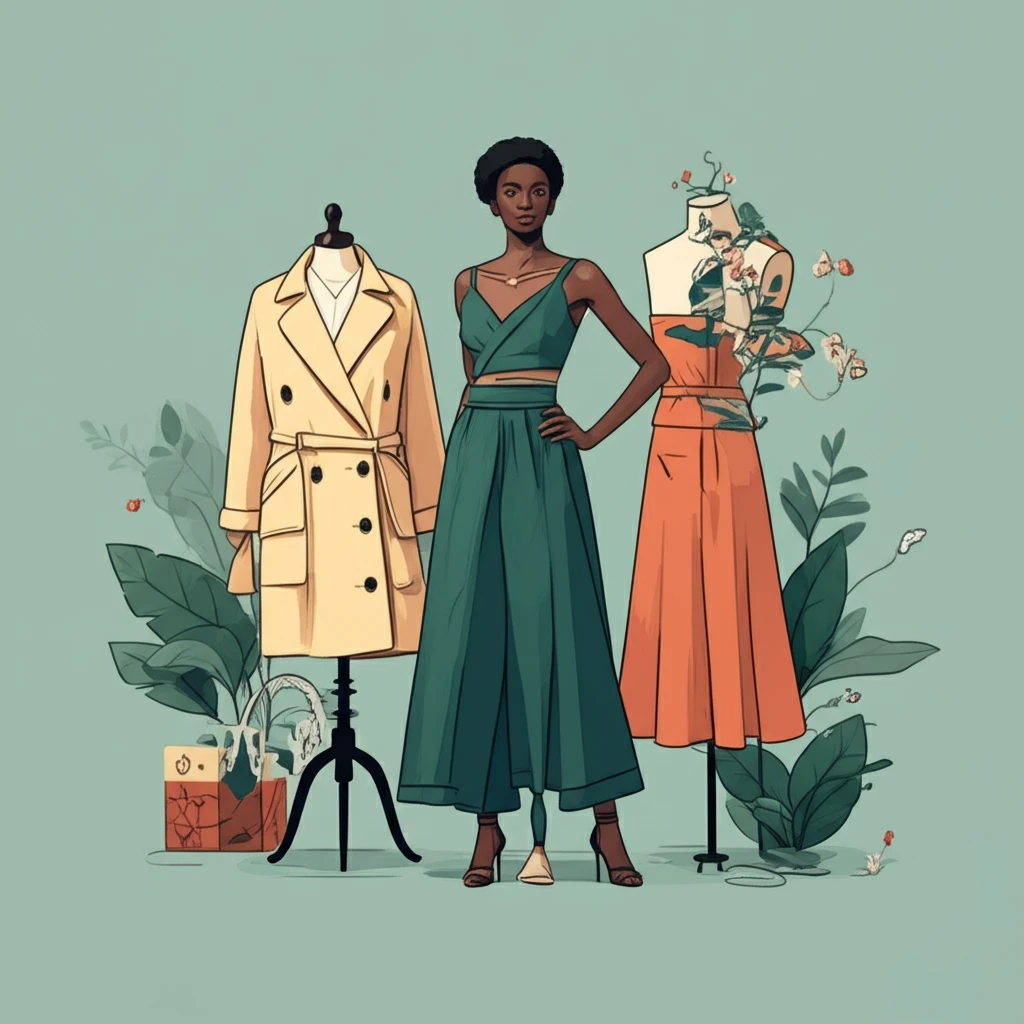 October 11
Discover the top 10 sustainable fashion trends for 2025, from circular models and bio-based fabrics to digital fashion and fair labor practices. Learn how to embrace eco-chic style.
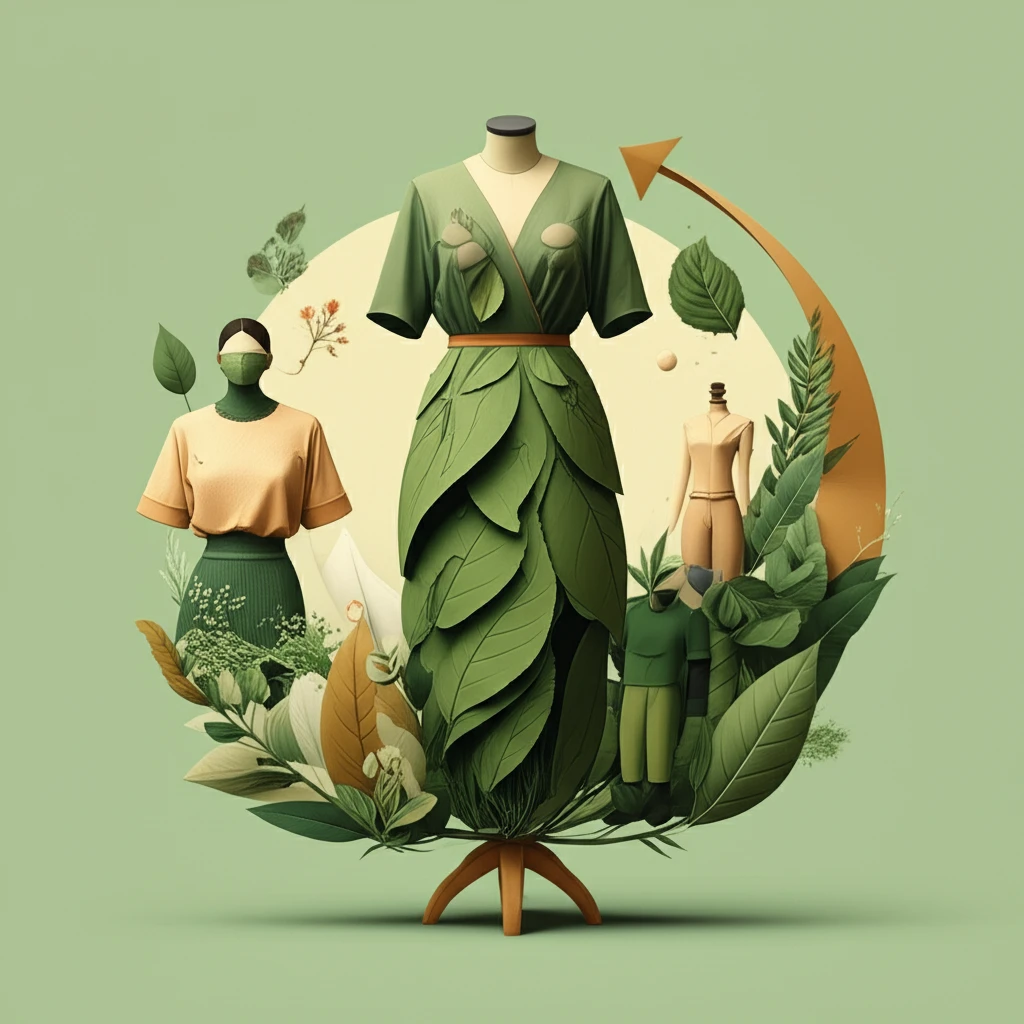 October 11
Discover the top 10 sustainable fashion trends shaping 2025. Learn about eco-friendly materials, circular fashion, ethical production, and practical tips to build a greener wardrobe.
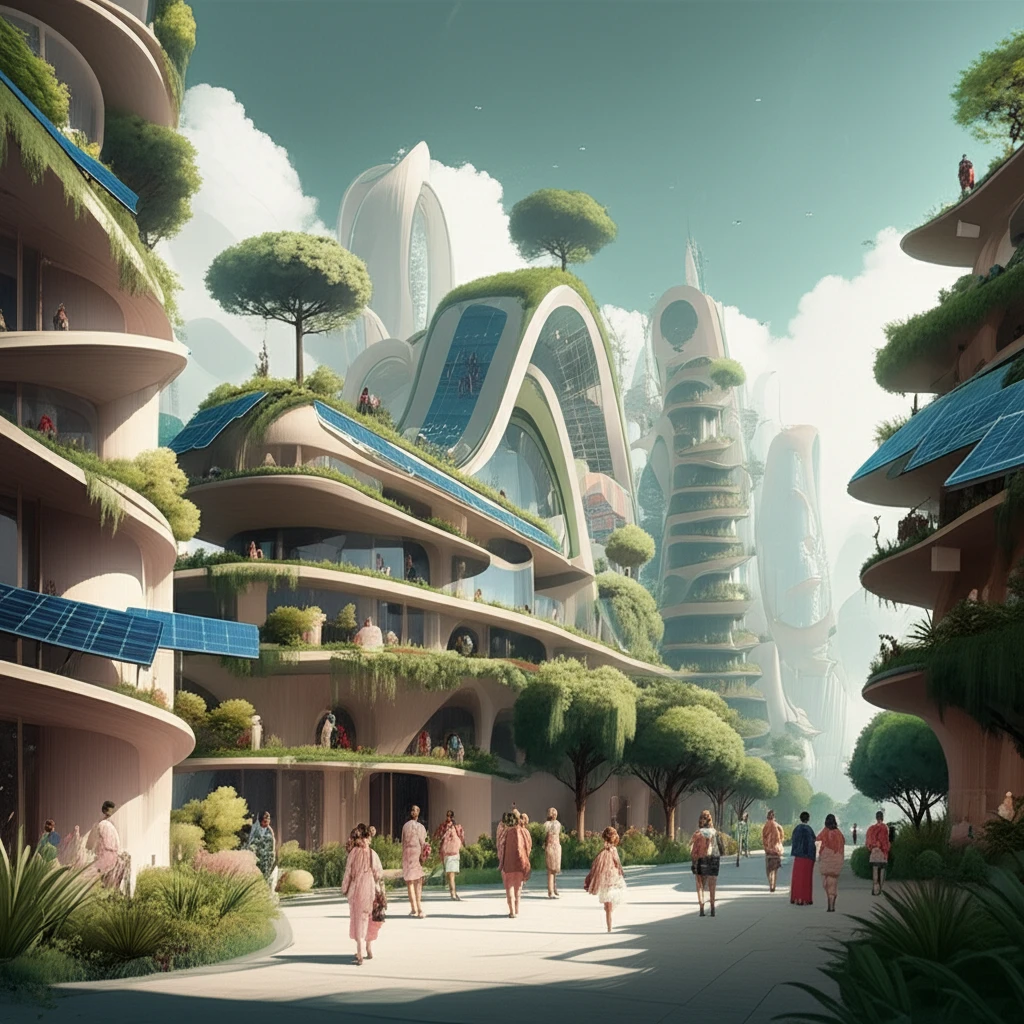 October 11
Explore the top 10 sustainable fashion trends shaping 2025. Discover eco-friendly materials, circular models, and practical tips to build an ethical wardrobe. Future-proof your style!