Eco-Chic Future: Top 10 Sustainable Fashion Trends to Watch in 2025
Discover the top 10 sustainable fashion trends for 2025, from circular models and bio-based fabrics to digital fashion and fair labor practices. Learn how to embrace eco-chic style.


As the world becomes increasingly aware of environmental impact, sustainable fashion is no longer a niche concept but a mainstream movement. In 2025, we're seeing exciting innovations and a stronger commitment to ethical and eco-friendly practices across the industry. From revolutionary materials to transformative business models, the future of fashion is green. This article dives into the top 10 sustainable fashion trends poised to redefine our wardrobes and the industry itself in the coming year.
Circularity is at the heart of sustainable fashion, and in 2025, it's evolving beyond basic recycling. We're witnessing advanced upcycling techniques that transform textile waste into high-value new garments with minimal processing. Brands are investing in technologies that allow for garment-to-garment recycling without significant degradation of fiber quality.
Innovation in materials science is accelerating. 2025 will see wider adoption of truly biodegradable and bio-based fabrics made from sources like mushroom mycelium, algae, citrus fibers, and even agricultural waste. These materials offer luxurious textures and performance without the persistent environmental footprint of synthetics.
The metaverse and digital fashion are set to make a significant impact on sustainability. By allowing consumers to express their style virtually, digital clothing can reduce the demand for physical garments, especially for single-use outfits or trends. It offers a zero-waste alternative for fashion experimentation.
The "ownership" model is being challenged by the convenience and sustainability of rental and resale. Platforms for renting high-end fashion for events or subscribing to clothing boxes, alongside robust second-hand marketplaces, will continue to expand, making fashion more accessible and less wasteful.
Consumers are demanding to know where their clothes come from, who made them, and under what conditions. Blockchain technology is emerging as a powerful tool to provide immutable records of a garment's journey from raw material to retail, ensuring ethical sourcing and production claims are verifiable.
Moving away from fast fashion's rapid cycles, slow fashion emphasizes quality over quantity, timeless designs, and mindful consumption. In 2025, this movement will be stronger than ever, with consumers investing in durable pieces meant to last, appreciate, and be repaired.
Beyond traditional leather alternatives, 2025 will see sophisticated vegan materials that rival their animal counterparts in aesthetics and durability without animal exploitation. This trend extends to wool, silk, and down alternatives, driven by ethical concerns and material innovation.
The fashion industry is notoriously water-intensive. In 2025, expect widespread implementation of water-saving technologies in textile processing and dyeing. Innovations like air dyeing (which uses no water), closed-loop water systems, and natural dyes derived from plants will become more common.
Sustainable fashion is inherently about inclusivity. 2025 will see a push for more gender-neutral designs and a broader range of sizes, ensuring that eco-conscious choices are available to everyone. This trend challenges traditional fashion norms and promotes universal appeal.
Reducing carbon footprint by shortening supply chains is a key sustainability goal. 2025 will see more brands investing in local production, nearshoring, or reshoring manufacturing processes. This reduces transportation emissions and often allows for better oversight of labor practices.
Beyond the undeniable environmental benefits, adopting sustainable fashion trends in 2025 offers numerous advantages. It promotes ethical labor practices, supports innovation, encourages a more mindful approach to consumption, and ultimately builds a more resilient and responsible fashion industry. By making conscious choices, consumers play a vital role in shaping this greener future.
2025 marks a pivotal year for sustainable fashion, characterized by groundbreaking material innovation, ethical business models, and a collective push towards more conscious consumption. These top 10 trends highlight a future where style and sustainability are intrinsically linked. By embracing these changes, we can collectively contribute to a fashion industry that not only looks good but does good for the planet and its people.
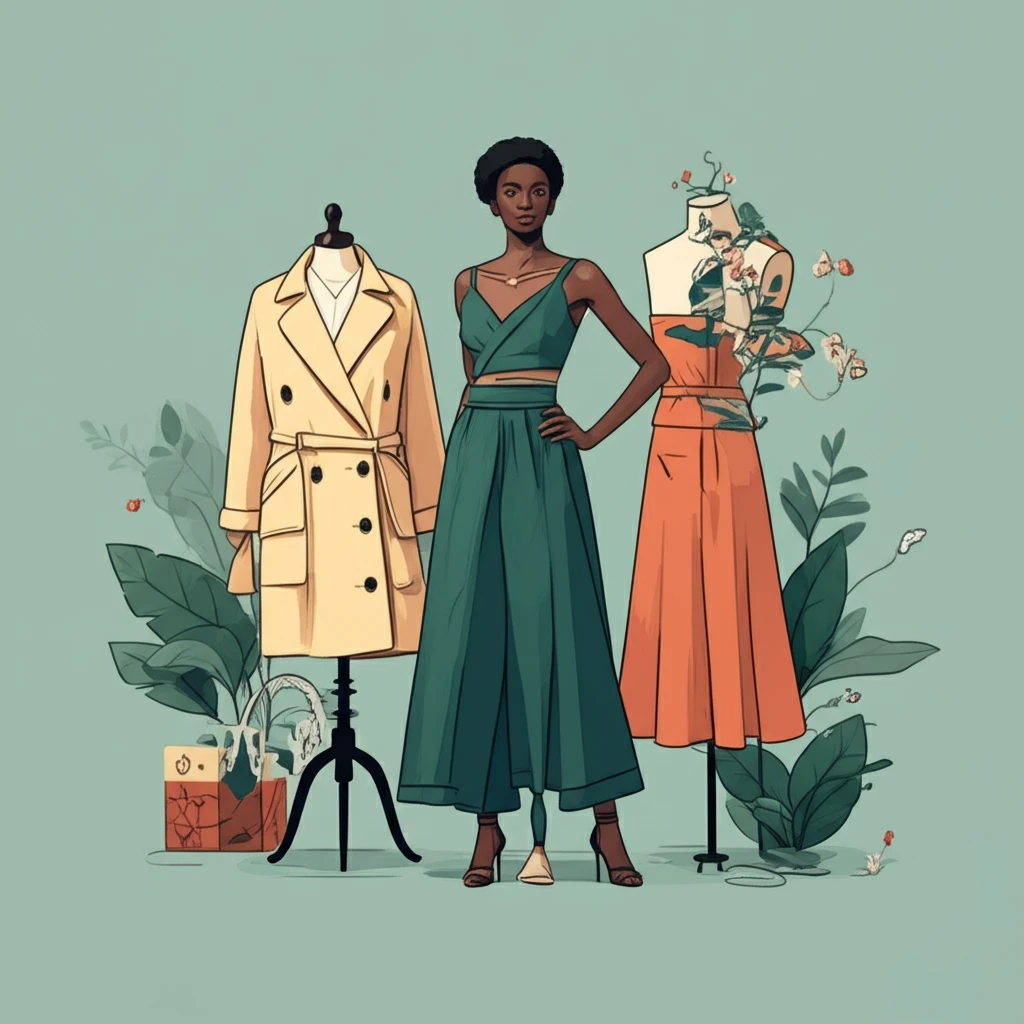 October 11
Discover the top 10 sustainable fashion trends for 2025, from circular models and bio-based fabrics to digital fashion and fair labor practices. Learn how to embrace eco-chic style.
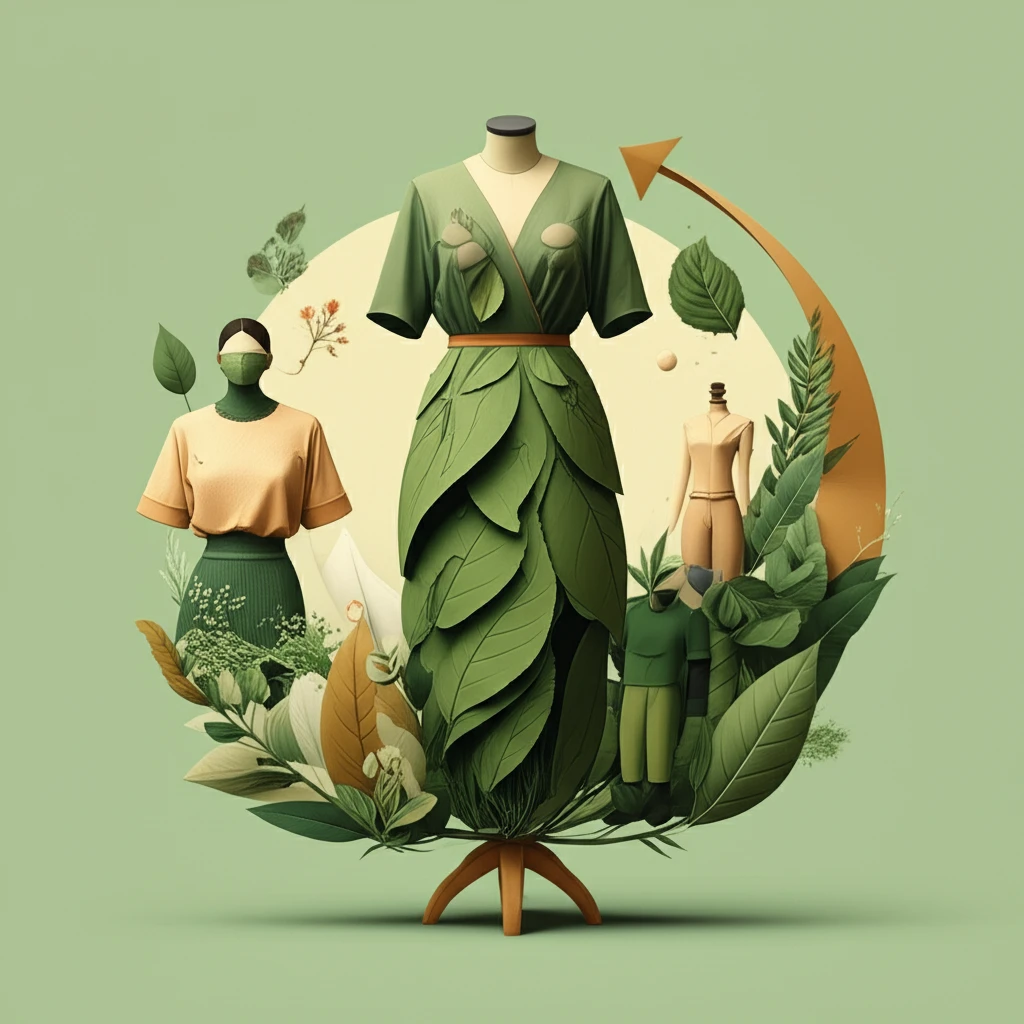 October 11
Discover the top 10 sustainable fashion trends shaping 2025. Learn about eco-friendly materials, circular fashion, ethical production, and practical tips to build a greener wardrobe.
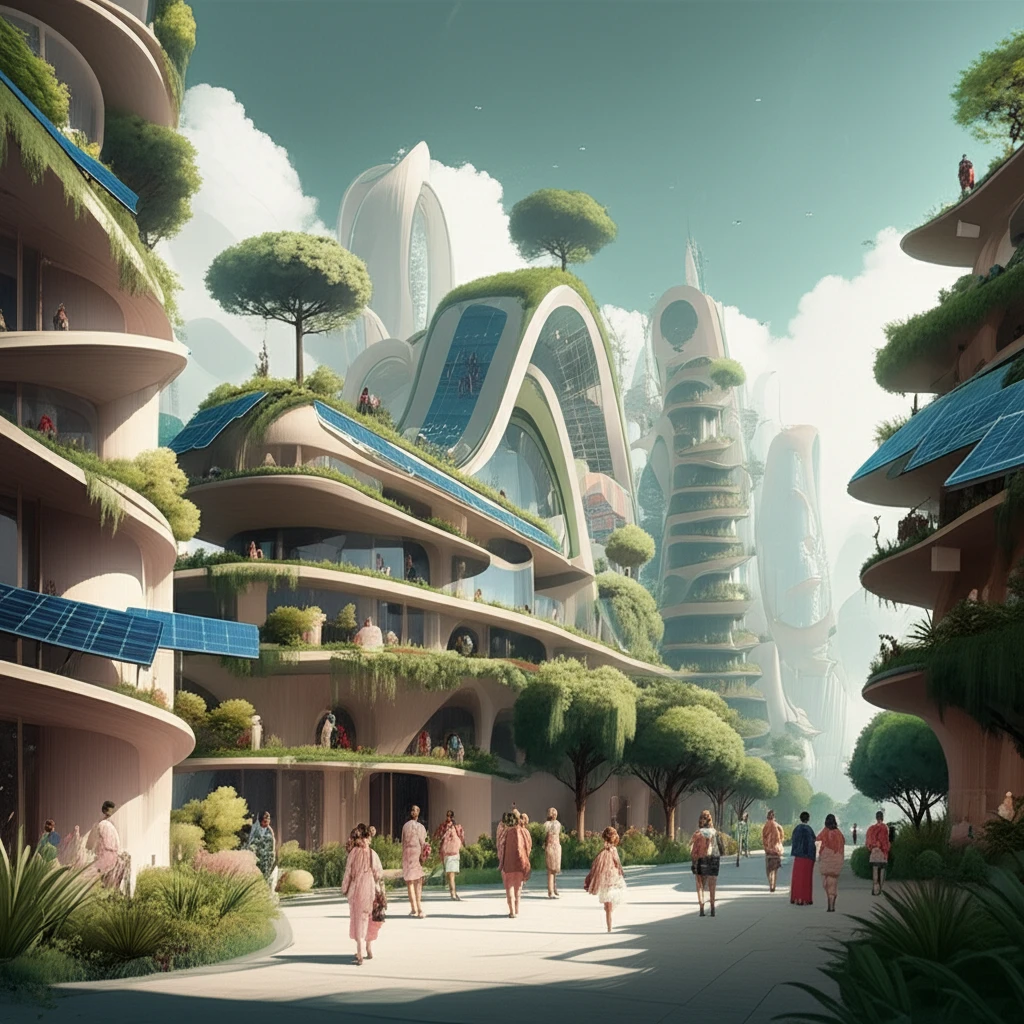 October 11
Explore the top 10 sustainable fashion trends shaping 2025. Discover eco-friendly materials, circular models, and practical tips to build an ethical wardrobe. Future-proof your style!