Eco-Chic Future: Top 10 Sustainable Fashion Trends to Watch in 2025
Discover the top 10 sustainable fashion trends for 2025, from circular models and bio-based fabrics to digital fashion and fair labor practices. Learn how to embrace eco-chic style.

The fashion industry is undergoing a transformative shift, moving away from its historically resource-intensive and often wasteful practices towards a more conscientious and eco-friendly future. As we look towards 2026, sustainable fashion is no longer a niche concept but a powerful movement defining innovation, ethics, and style. Consumers are increasingly demanding transparency, ethical production, and environmentally sound materials, pushing brands to adopt more responsible approaches. This article delves into the top 10 sustainable fashion trends that are set to dominate in 2026, offering insights into how you can participate in shaping a more sustainable wardrobe.
Sustainable fashion encompasses a broad range of practices aimed at minimizing the environmental and social impact of clothing production and consumption. From reducing water usage and carbon emissions to ensuring fair labor practices and promoting circularity, its importance cannot be overstated. With growing awareness of climate change and social inequalities, sustainable fashion offers a pathway to stylish living that aligns with our values, ensuring that our choices today contribute positively to tomorrow's world.
In 2026, the concept of circularity will move beyond a buzzword to become a fundamental principle. This trend focuses on designing waste out of the system by keeping materials in use for as long as possible. Upcycling, a key component, involves transforming old or discarded items into new, higher-value products. Expect to see innovative designers repurposing deadstock fabrics, vintage garments, and even industrial waste into unique collections. Practical Tip: Before buying new, consider upcycling old clothes or seeking out brands that specialize in reworked pieces. A simple DIY project can turn an old denim jacket into a fashion statement!
Moving beyond organic, regenerative agriculture practices are gaining traction. These farming methods aim to improve soil health, enhance biodiversity, and capture carbon from the atmosphere, ultimately creating a more resilient ecosystem. Materials like cotton, hemp, and flax cultivated through regenerative farming will be highly sought after. Practical Tip: Look for certifications and brand transparency statements that specify regenerative sourcing for your natural fiber garments. Supporting these brands helps fund crucial agricultural innovation.
The quest for textiles that return to the earth without harm continues with advancements in biodegradable and bio-based materials. Expect to see more mushroom leathers (mycelium), algae-based dyes, fruit leathers (pineapple, apple), and even spider silk alternatives. These innovations offer stylish solutions that minimize reliance on petroleum-based synthetics. Practical Tip: When purchasing, check material compositions. Opt for innovative bio-based alternatives when possible, and be mindful of how to properly dispose of biodegradable items according to manufacturer guidelines.
Digital fashion, often associated with virtual try-ons and metaverse wearables, offers a surprisingly sustainable avenue. By creating garments that exist only digitally, designers can experiment without physical waste, and consumers can express themselves without contributing to overproduction. NFTs (Non-Fungible Tokens) are enabling ownership and unique digital identity. Practical Tip: Explore platforms offering digital clothing for your avatars or virtual try-ons. This trend allows for creative expression with zero physical footprint and can even influence real-world design without material consumption.
The traditional model of mass production often leads to significant waste from unsold inventory. In 2026, more brands will pivot towards on-demand or made-to-order production, creating items only when a customer places an order. This significantly reduces waste, conserves resources, and often allows for greater customization. Practical Tip: Embrace brands that offer custom or made-to-order services. While it might mean a slightly longer wait, you're supporting a system that values conscious consumption over wasteful stockpiling.
Extending the lifespan of garments through rental and resale platforms is a cornerstone of sustainable fashion. The market for pre-loved and rented clothing is set to explode further in 2026, offering accessible and affordable ways to refresh your wardrobe without new purchases. From luxury gown rentals to everyday secondhand marketplaces, options are diversifying. Practical Tip: Before buying a new outfit for a special occasion, check rental services. Regularly declutter your wardrobe and sell or donate items to extend their life cycle rather than discarding them.
Consumers are demanding to know where and how their clothes are made. Blockchain technology, QR codes, and digital product passports will become standard tools for brands to provide unprecedented transparency and traceability throughout their supply chains. This allows consumers to make truly informed choices. Practical Tip: Actively seek out brands that openly share information about their supply chain, materials, and labor practices. Don't hesitate to ask questions if information isn't readily available.
Water scarcity is a critical global issue, and the fashion industry is a major consumer of water. In 2026, expect widespread adoption of water-saving technologies like waterless dyeing, ozone washing for denim, and closed-loop systems that recycle water in textile production. These innovations significantly reduce the industry's freshwater footprint. Practical Tip: Support brands that publicize their efforts in water conservation and invest in advanced manufacturing technologies. Research their sustainability reports for specific details on water usage.
The demand for animal-friendly fashion continues to grow, driving innovation in vegan alternatives. Beyond traditional faux leather, 2026 will see sophisticated advancements in plant-based leathers (e.g., made from cactus, apple, or grape waste), lab-grown furs, and performance materials free from animal products. Practical Tip: When choosing accessories or outerwear, look for materials explicitly labeled as vegan or cruelty-free. Research the composition to ensure the alternatives are also environmentally sound.
Counteracting fast fashion, the slow fashion movement encourages intentional purchasing, appreciating craftsmanship, and valuing quality over quantity. In 2026, there will be an even stronger emphasis on timeless designs, durable materials, and investment pieces that transcend seasonal trends. Practical Tip: Build a capsule wardrobe of versatile, high-quality pieces that can be mixed and matched. Prioritize durability and classic styles over fleeting trends, and learn basic mending skills to extend the life of your garments.
Embracing sustainable fashion doesn't mean sacrificing style; it means making conscious choices. Start by evaluating your own consumption habits. Ask yourself: Do I truly need this? Can I repair it? Can I find it secondhand? Support brands that are genuinely committed to ethical and environmental practices. Research their values, certifications, and supply chains. By making small, informed adjustments to your shopping and clothing care routines, you can contribute significantly to a more sustainable and equitable fashion future.
The future of fashion is sustainable, innovative, and increasingly collaborative. By understanding and adopting these top trends for 2026, consumers and industry players alike can work towards a world where style and responsibility go hand in hand.
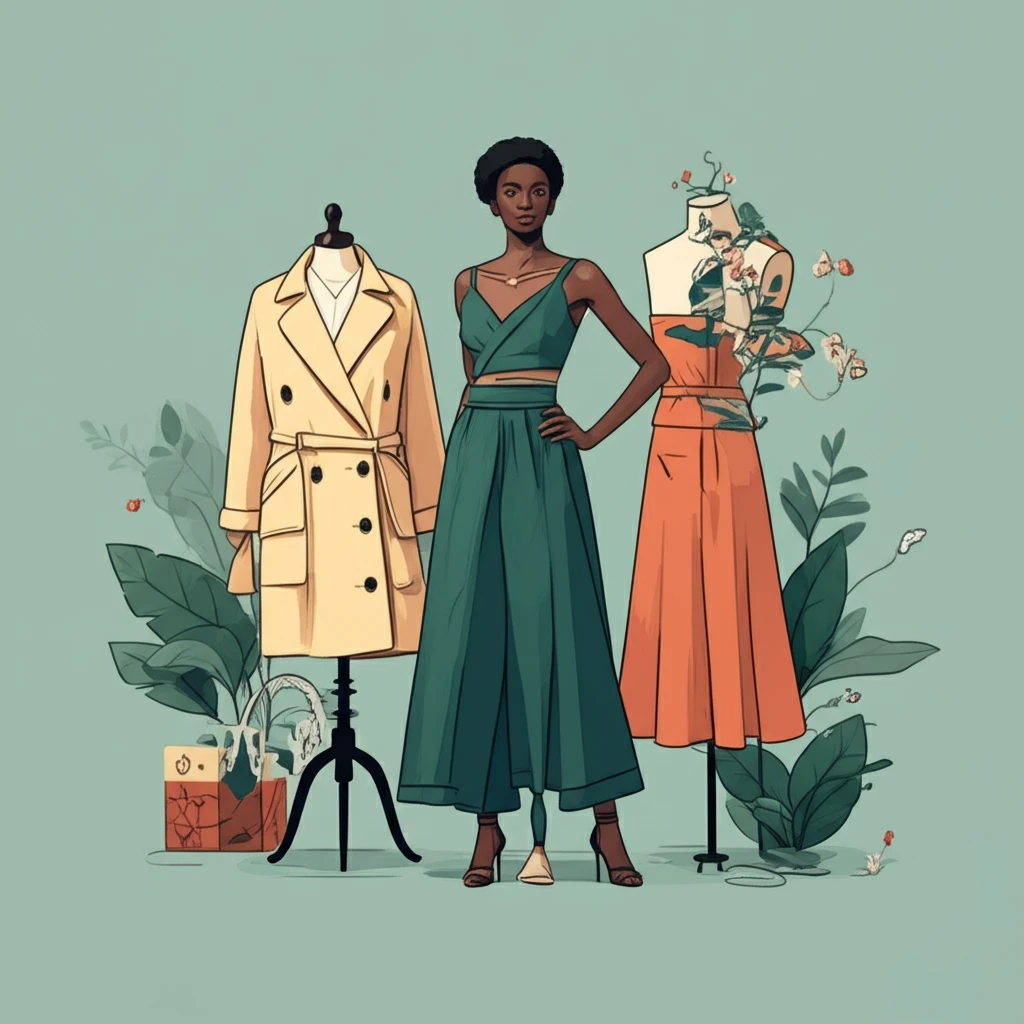 October 11
Discover the top 10 sustainable fashion trends for 2025, from circular models and bio-based fabrics to digital fashion and fair labor practices. Learn how to embrace eco-chic style.
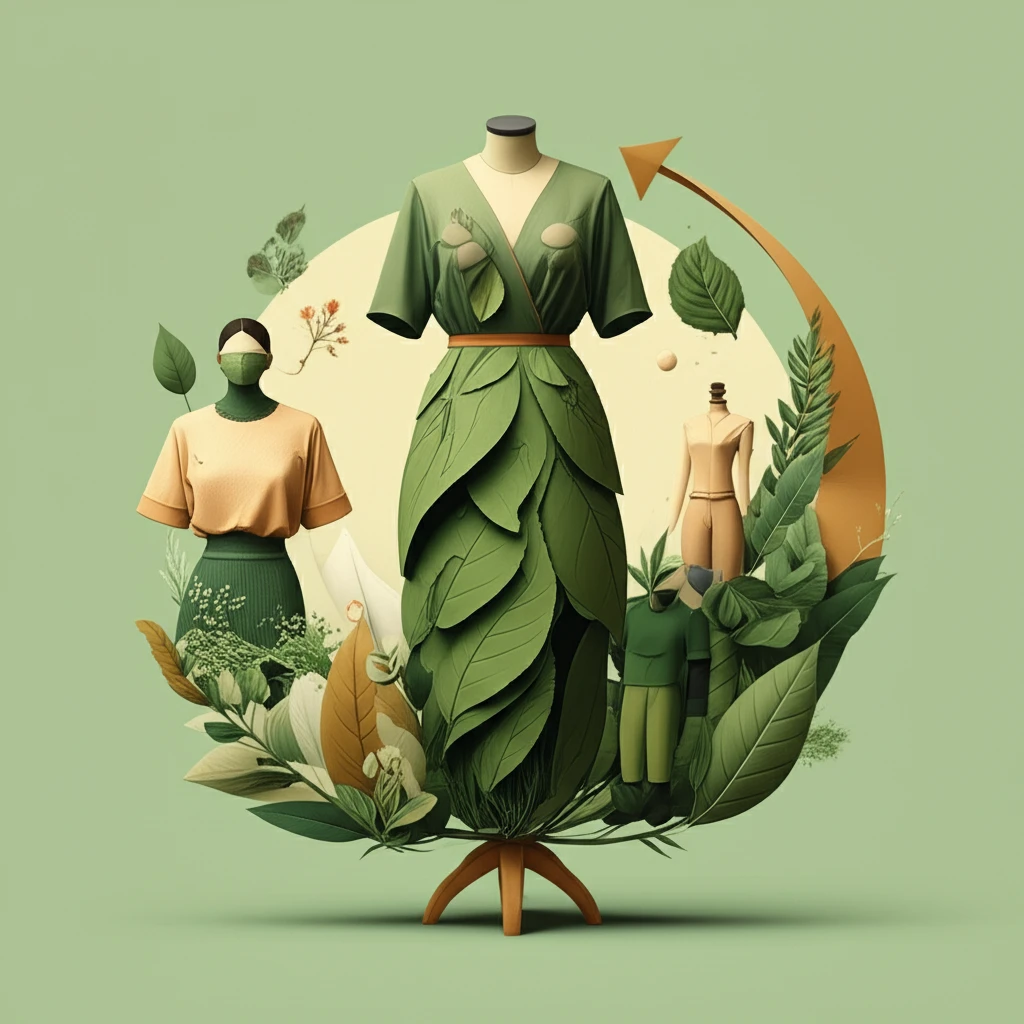 October 11
Discover the top 10 sustainable fashion trends shaping 2025. Learn about eco-friendly materials, circular fashion, ethical production, and practical tips to build a greener wardrobe.
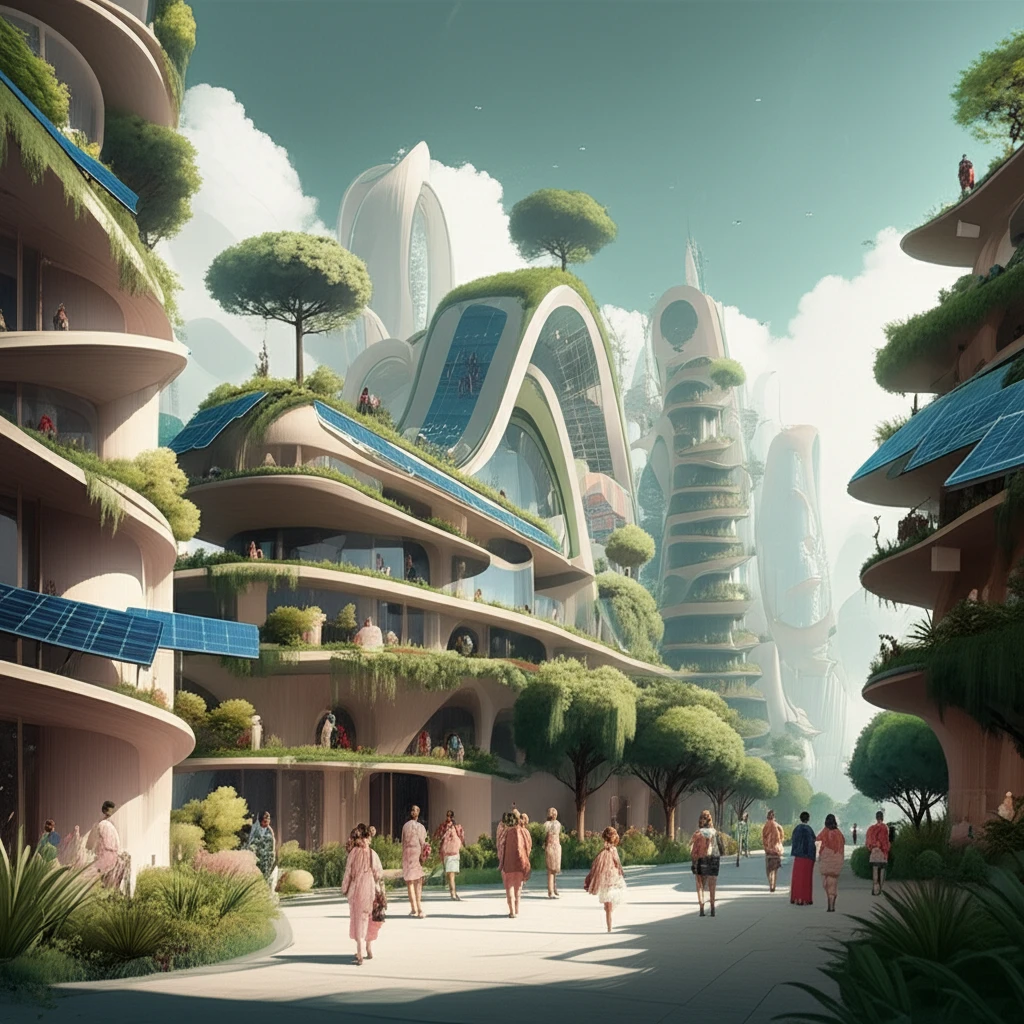 October 11
Explore the top 10 sustainable fashion trends shaping 2025. Discover eco-friendly materials, circular models, and practical tips to build an ethical wardrobe. Future-proof your style!