Eco-Chic Future: Top 10 Sustainable Fashion Trends to Watch in 2025
Discover the top 10 sustainable fashion trends for 2025, from circular models and bio-based fabrics to digital fashion and fair labor practices. Learn how to embrace eco-chic style.

The fashion industry is undergoing a significant transformation, with sustainability moving from a niche concern to a mainstream imperative. As we look towards 2026, the focus on ethical production, environmental responsibility, and consumer awareness is set to intensify. This article explores the top 10 sustainable fashion trends that will define the industry in the coming year, offering insights and practical tips for individuals to make more conscious choices.
As consumers become more informed and climate change concerns grow, brands are pressured to innovate. The trends for 2026 reflect a deeper commitment to circularity, material innovation, and social responsibility across the entire supply chain. Get ready to update your wardrobe and your mindset with these pivotal shifts in sustainable fashion.
The concept of a circular economy, where materials are kept in use for as long as possible, is gaining unprecedented traction. In 2026, expect more brands to adopt closed-loop systems, focusing on recycling, repairing, and remaking garments rather than disposing of them. This shift aims to eliminate waste and pollution, ensuring resources are continually utilized.
Breakthroughs in material science are paving the way for truly sustainable fabrics. Beyond organic cotton, 2026 will see a surge in the use of materials derived from natural sources, agricultural waste products, and lab-grown alternatives that minimize environmental impact. These innovations offer exciting, planet-friendly alternatives to traditional fibers.
Consumers want to know the story behind their clothes—where they come from, who made them, and under what conditions. 2026 will be marked by increased demand for radical transparency, with brands providing detailed information about their supply chains from raw material to finished product, often utilizing technology to do so.
To reduce carbon footprints associated with global shipping and support local economies, there's a growing movement towards hyper-local production. This trend also celebrates artisanal crafts and traditional techniques, valuing unique, handmade pieces over mass-produced items and preserving cultural heritage.
Digital innovation isn't just for gaming; it's transforming fashion sustainability. Virtual fashion reduces the need for physical samples and enables consumers to "wear" clothes without the environmental cost of production. Augmented reality (AR) try-ons minimize returns (a significant source of waste) and help consumers make more informed choices.
Moving away from the fast fashion cycle, 2026 will emphasize investing in quality, durable garments that stand the test of time, both in construction and style. The focus is on building a versatile, long-lasting wardrobe that transcends fleeting trends, advocating for 'buy less, choose well, make it last'.
Giving old clothes a new life through upcycling is a powerful way to reduce textile waste. This trend encourages creativity and resourcefulness, transforming existing garments, scraps, or deadstock fabrics into unique new pieces, thereby diverting them from landfills.
Ownership is becoming less critical than access, especially for occasion wear or fast-changing trends. Fashion rental and subscription services allow consumers to enjoy a variety of styles for a period without the commitment and environmental impact of buying new items for every occasion, promoting shared consumption.
Water scarcity is a critical global issue, and the fashion industry is a major consumer. 2026 will see increased innovation in water-efficient manufacturing processes and sustainable dyeing techniques to significantly reduce water usage, pollution, and the chemical footprint of clothing production.
True sustainability extends beyond environmental impact to include social responsibility. In 2026, there will be an even stronger emphasis on ensuring fair wages, safe working conditions, ethical treatment, and empowerment for all workers in the fashion supply chain, from farmers to factory workers.
The landscape of fashion in 2026 will undoubtedly be shaped by these transformative sustainable trends. From innovative materials and circular systems to radical transparency and ethical production, the industry is moving towards a more responsible future. As consumers, our choices hold immense power. By understanding and embracing these trends, we can contribute to a fashion world that is not only stylish and innovative but also kind to people and the planet, making conscious decisions that pave the way for a truly sustainable wardrobe.
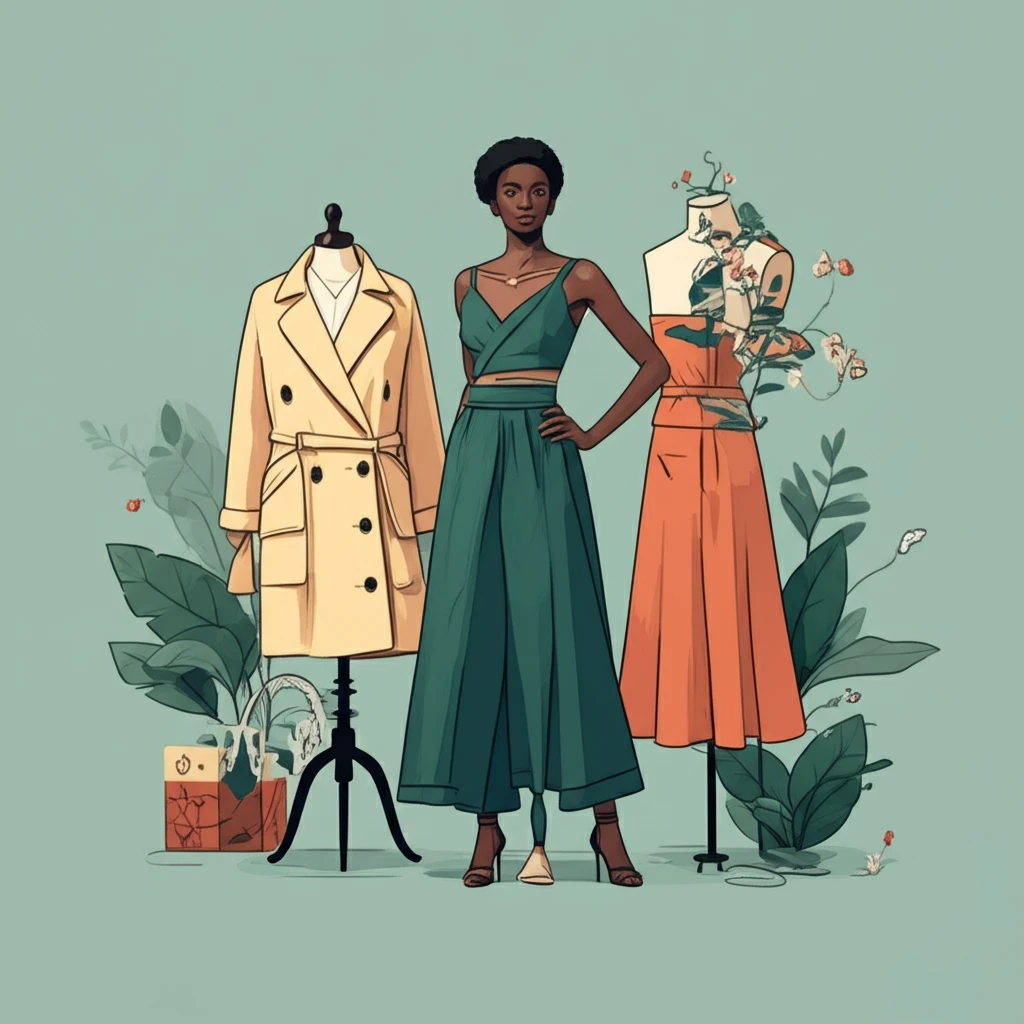 October 11
Discover the top 10 sustainable fashion trends for 2025, from circular models and bio-based fabrics to digital fashion and fair labor practices. Learn how to embrace eco-chic style.
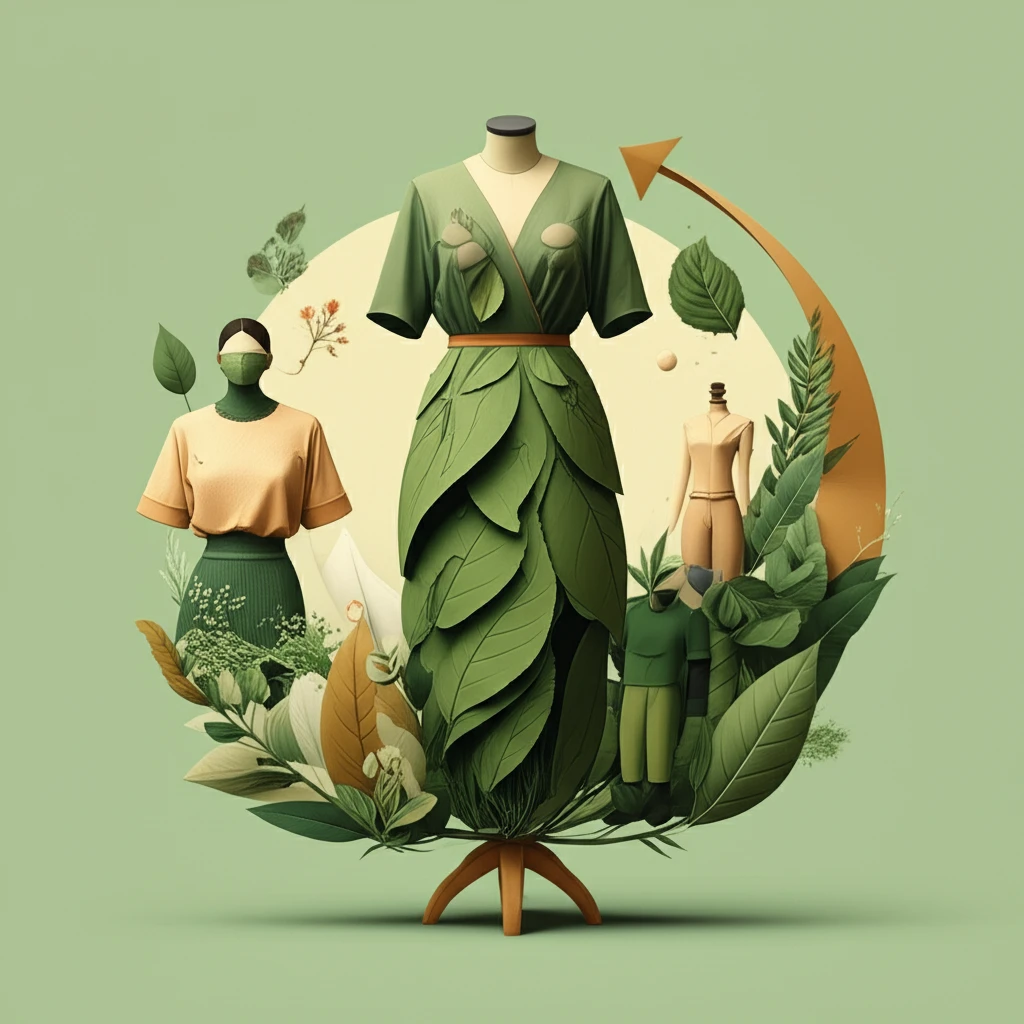 October 11
Discover the top 10 sustainable fashion trends shaping 2025. Learn about eco-friendly materials, circular fashion, ethical production, and practical tips to build a greener wardrobe.
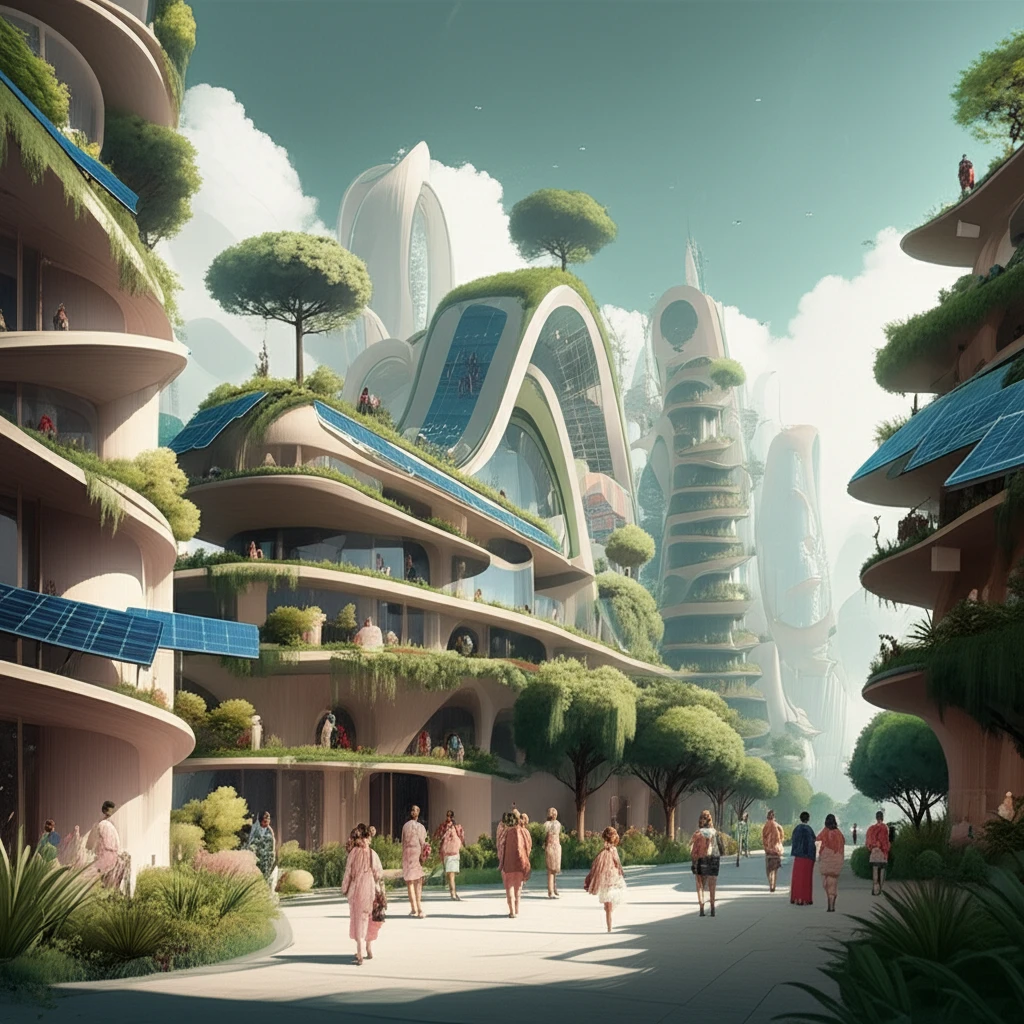 October 11
Explore the top 10 sustainable fashion trends shaping 2025. Discover eco-friendly materials, circular models, and practical tips to build an ethical wardrobe. Future-proof your style!