Eco-Chic Future: Top 10 Sustainable Fashion Trends to Watch in 2025
Discover the top 10 sustainable fashion trends for 2025, from circular models and bio-based fabrics to digital fashion and fair labor practices. Learn how to embrace eco-chic style.


The fashion industry is undergoing a significant transformation, with sustainability moving from a niche concept to a mainstream imperative. As we look towards 2026, consumers are increasingly demanding transparency, ethical production, and environmentally conscious choices. This shift is not just a passing fad but a fundamental change in how clothes are designed, produced, sold, and consumed. Embracing sustainable fashion means making choices that minimize environmental impact, respect human rights, and promote a circular economy.
In this comprehensive guide, we'll explore the top 10 sustainable fashion trends poised to dominate 2026, offering insights, examples, and practical tips for integrating them into your personal style.
The traditional fashion model, often referred to as "fast fashion," has devastating environmental and social consequences. It contributes significantly to water pollution, textile waste in landfills, greenhouse gas emissions, and exploitative labor practices. Sustainable fashion offers a compelling alternative, focusing on longevity, resource efficiency, ethical sourcing, and fair working conditions. As climate concerns escalate and consumer awareness grows, the urgency to adopt sustainable practices has never been higher. For 2026, the emphasis is firmly on innovation, accountability, and consumer participation.
The future of fashion is circular, aiming to keep materials in use for as long as possible, eliminating waste and pollution. Upcycling—transforming old, discarded clothing or materials into new garments—is a key component. This trend goes beyond recycling, focusing on adding value and creativity to existing resources. Designers are increasingly incorporating upcycled elements into high-fashion collections, demonstrating its potential for unique and stylish pieces.
The push for eco-friendly materials continues to accelerate. 2026 will see a wider adoption of truly biodegradable fabrics, as well as groundbreaking innovations. Think fabrics made from agricultural waste, mushroom leather (Mylo), pineapple leaves (Piñatex), citrus pulp, and even algae. These materials offer sustainable alternatives to conventional cotton, polyester, and animal-derived leathers, reducing resource consumption and pollution.
Consumers want to know where and how their clothes are made. Transparency and traceability will be paramount in 2026, with brands expected to provide clear information about their supply chains, from raw material sourcing to manufacturing processes. Blockchain technology and digital product passports are emerging tools to ensure verifiable data and build trust.
Counteracting the fast fashion cycle, slow fashion advocates for conscious consumption, quality over quantity, and timeless designs. In 2026, investing in durable, versatile pieces that transcend seasonal trends will be a core tenet of sustainable style. This means fewer purchases, but more meaningful ones.
The sharing economy is thriving in fashion. Rental services for special occasions and daily wear, alongside booming resale platforms for pre-owned garments, significantly extend the life cycle of clothing. This trend reduces demand for new production and keeps textiles out of landfills, making luxury and designer items more accessible and sustainable.
Beyond environmental concerns, the ethical treatment of garment workers remains a critical aspect of sustainable fashion. In 2026, increased scrutiny on fair wages, safe working conditions, and respect for human rights across the supply chain will be non-negotiable. Certifications like Fair Trade are becoming more recognized and demanded by consumers.
Textile dyeing is one of the most polluting processes in fashion, consuming vast amounts of water and releasing toxic chemicals. 2026 will see significant advancements and wider adoption of waterless dyeing technologies (e.g., using CO2) and natural, low-impact dyes derived from plants, minerals, or food waste. This trend aims to drastically reduce water usage and chemical effluent.
While still emerging, digital fashion offers a unique pathway to sustainability by reducing physical waste. Virtual clothing, augmented reality try-ons, and fashion in the metaverse minimize the need for physical samples and overproduction. For social media, digital garments provide an expressive, zero-waste alternative to fast fashion hauls.
Reducing the carbon footprint associated with global supply chains, local sourcing and production are gaining traction. This trend also supports local economies, preserves traditional craftsmanship, and allows for greater oversight of labor conditions. Small-batch production closer to home can also respond more agilely to demand, reducing excess inventory.
Ultimately, sustainable fashion hinges on informed consumers. 2026 will see a greater emphasis on educating the public about the environmental and social impacts of their choices. Mindful consumption encourages consumers to buy less, buy better, care for their clothes, and extend their lifespan. This involves questioning necessity, understanding true cost, and making intentional purchases.
Adopting sustainable fashion doesn't require an overnight overhaul. Here are practical steps:
The landscape of fashion in 2026 will be defined by a collective commitment to sustainability. From innovative materials to circular systems and ethical production, the industry is moving towards a more responsible future. As consumers, our choices hold immense power. By embracing these trends and making conscious decisions, we can contribute to a fashion world that is not only stylish but also environmentally sound and socially just. Let's dress for a better tomorrow.
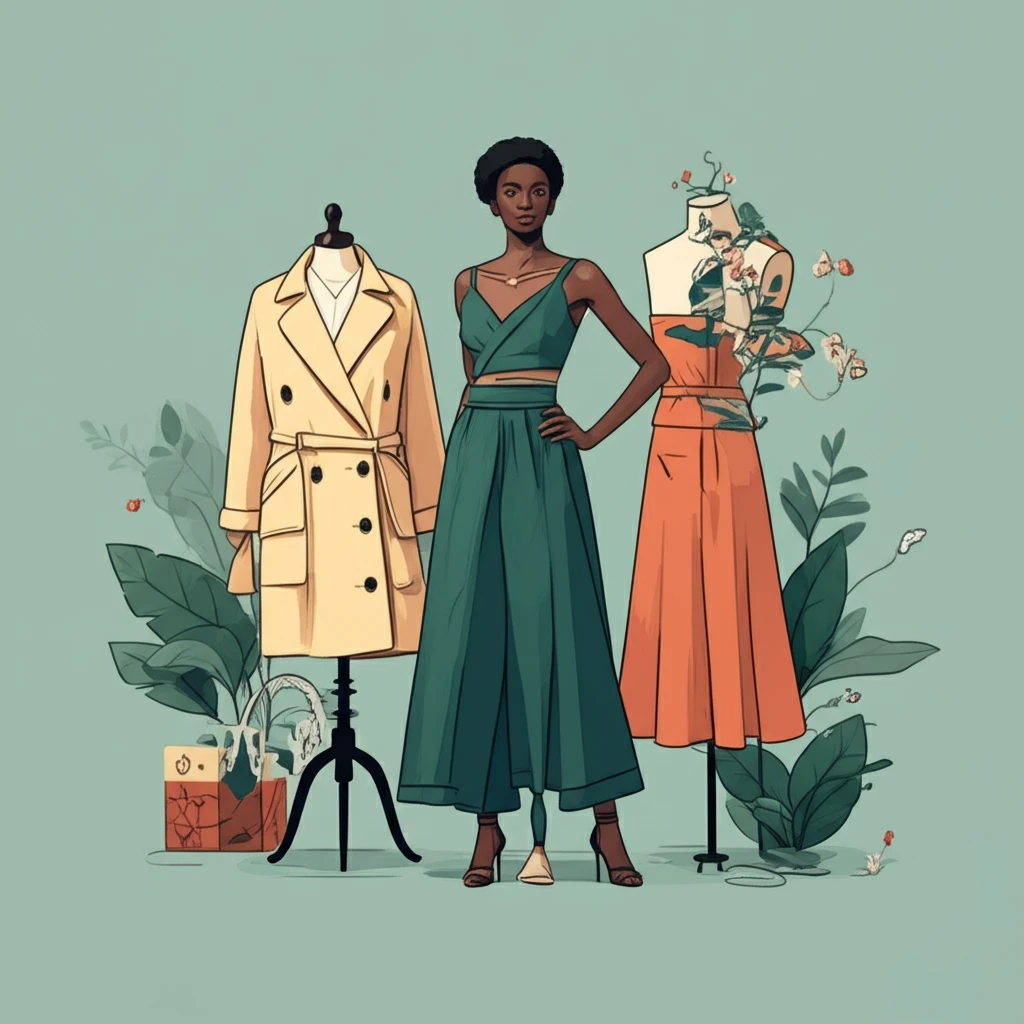 October 11
Discover the top 10 sustainable fashion trends for 2025, from circular models and bio-based fabrics to digital fashion and fair labor practices. Learn how to embrace eco-chic style.
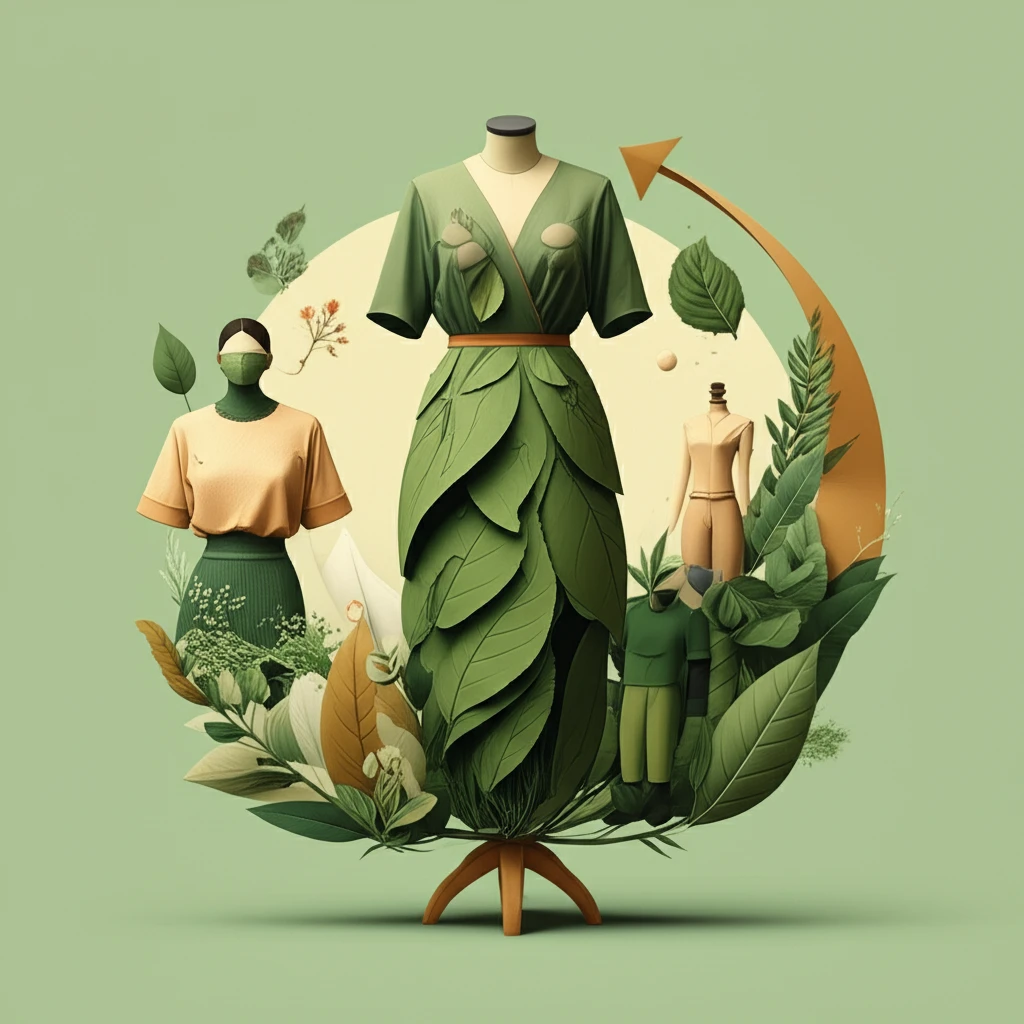 October 11
Discover the top 10 sustainable fashion trends shaping 2025. Learn about eco-friendly materials, circular fashion, ethical production, and practical tips to build a greener wardrobe.
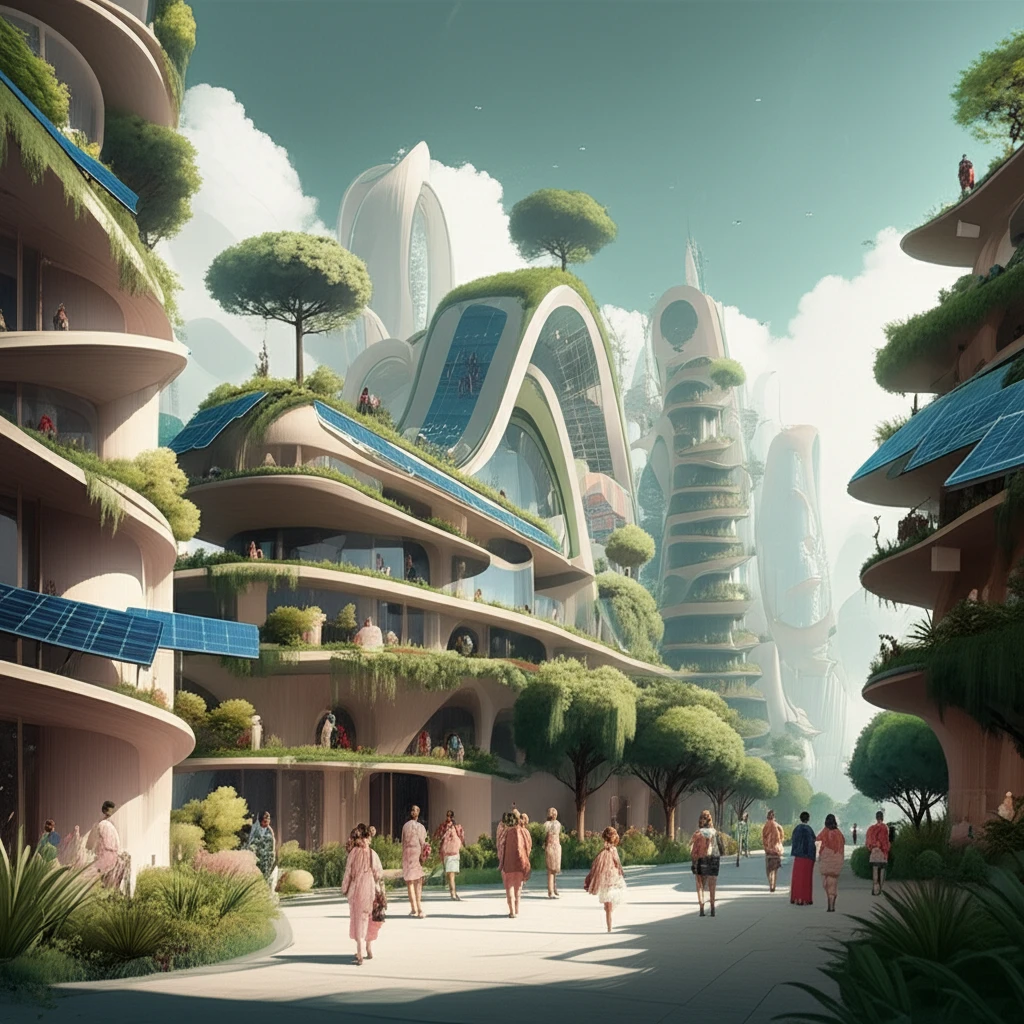 October 11
Explore the top 10 sustainable fashion trends shaping 2025. Discover eco-friendly materials, circular models, and practical tips to build an ethical wardrobe. Future-proof your style!