Eco-Chic Future: Top 10 Sustainable Fashion Trends to Watch in 2025
Discover the top 10 sustainable fashion trends for 2025, from circular models and bio-based fabrics to digital fashion and fair labor practices. Learn how to embrace eco-chic style.


The fashion industry is undergoing a profound transformation, moving rapidly towards a more conscious and responsible future. As we approach 2026, sustainable fashion is no longer a niche concept but a driving force behind innovation, design, and consumer choices. From groundbreaking material science to revolutionary business models, the push for ethical and eco-friendly practices is reshaping our wardrobes and the planet.
For fashion enthusiasts, conscious consumers, and industry professionals alike, understanding these emerging trends is crucial. This article delves into the top 10 sustainable fashion trends expected to dominate in 2026, offering insights, examples, and practical tips to help you embrace a more sustainable style.
Beyond organic cotton, 2026 will see an explosion of truly regenerative materials that not only minimize harm but actively restore ecosystems. Think fibers grown using regenerative agriculture practices that improve soil health, or innovative fabrics derived from agricultural waste. Expect to see more mushroom leather (Mylo), pineapple leaf fibers (Piñatex), and lab-grown alternatives that biodegrade naturally at the end of their lifecycle.
Fashion designers are increasingly adopting circularity from the outset. This means creating garments that are designed for longevity, easy repair, and eventual recycling into new products. Look for modular designs, single-fiber compositions for easier recycling, and brands offering take-back programs to close the loop on their products. The goal is to eliminate waste and pollution from the very beginning of the product lifecycle.
Upcycling will evolve beyond basic alterations. Brands and independent designers will showcase advanced techniques, transforming existing garments and textile waste into high-fashion pieces with intricate designs and unexpected silhouettes. Consumers will be encouraged with workshops and DIY kits to creatively repurpose their own clothing, fostering a deeper connection to their wardrobe.
The pre-loved market will continue its meteoric rise, with major luxury brands and high-street retailers integrating authenticated resale platforms directly into their business models. Fashion rental services for everyday wear, not just special occasions, will also gain significant traction, offering consumers access to diverse styles without the commitment of ownership and reducing consumption.
Consumers are demanding to know the full story behind their clothes. 2026 will bring increased hyper-transparency, driven by blockchain technology and digital product passports. Scanning a QR code on a garment will provide detailed information about its origins, supply chain, environmental impact, and labor conditions, empowering informed purchasing decisions.
The slow fashion movement, emphasizing quality over quantity, will cement itself as a lifestyle choice for many. This trend encourages investing in timeless, well-made pieces that last, appreciating craftsmanship, and resisting the urge of fast-paced trend cycles. It’s about building a versatile, enduring wardrobe that reflects personal style rather than fleeting fads.
Water scarcity is a critical issue, and the fashion industry is a significant consumer. Expect major strides in waterless dyeing techniques, closed-loop water systems in manufacturing, and innovations like air dyeing or digital printing that drastically reduce water consumption and chemical waste. Brands prioritizing these methods will gain a competitive edge.
While always a concern, ethical production will be under even greater scrutiny. Brands will be pushed to ensure fair wages, safe working conditions, and robust social welfare programs across their entire supply chain, from raw material sourcing to garment assembly. Certifications and independent audits will become more common and widely recognized by consumers.
The demand for animal-free alternatives will continue to grow, leading to sophisticated new vegan leathers, wools, and silks that offer superior performance and aesthetics. Innovations in plant-based materials and lab-grown alternatives will move away from plastic-heavy synthetics, providing truly sustainable cruelty-free options for every garment type.
Digital fashion, from virtual try-ons to entirely digital clothing for avatars and social media, will gain prominence. This trend significantly reduces the need for physical samples and production, minimizing material waste and carbon footprint. Brands will explore hybrid models, offering both physical and digital collections, catering to a new generation of consumers.
The landscape of fashion in 2026 is one of conscious innovation and shared responsibility. These trends highlight a collective effort to move away from destructive practices towards a regenerative, inclusive, and aesthetically rich future. By understanding and embracing these shifts, both consumers and industry players can contribute to a fashion world that not only looks good but also does good for the planet and its people.
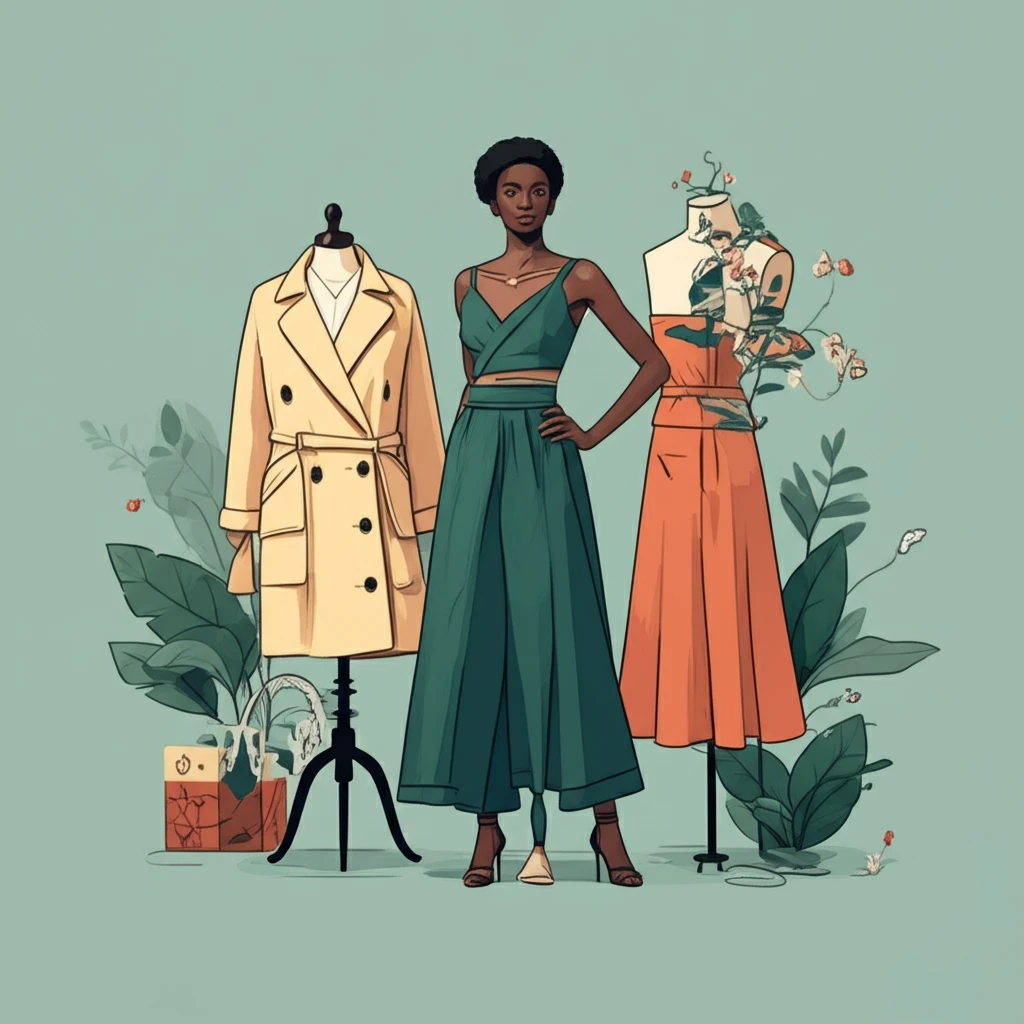 October 11
Discover the top 10 sustainable fashion trends for 2025, from circular models and bio-based fabrics to digital fashion and fair labor practices. Learn how to embrace eco-chic style.
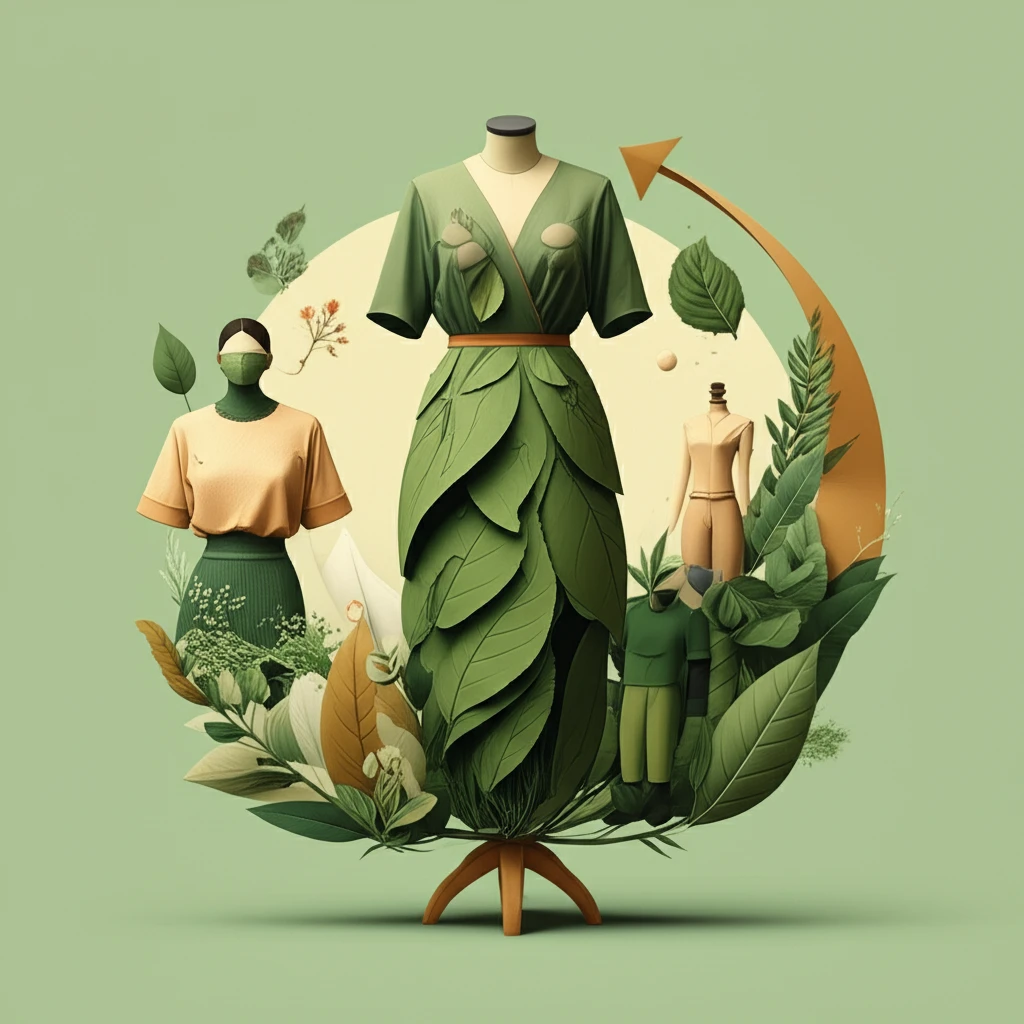 October 11
Discover the top 10 sustainable fashion trends shaping 2025. Learn about eco-friendly materials, circular fashion, ethical production, and practical tips to build a greener wardrobe.
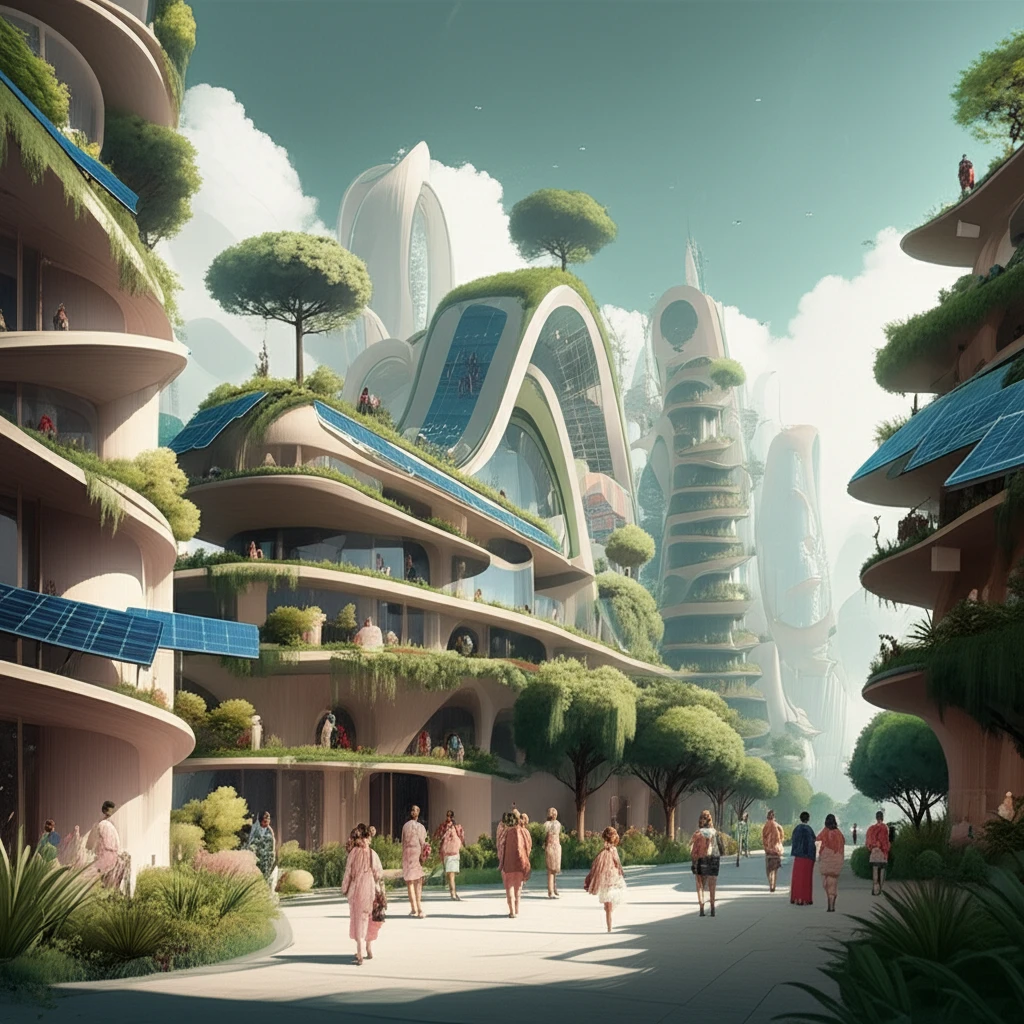 October 11
Explore the top 10 sustainable fashion trends shaping 2025. Discover eco-friendly materials, circular models, and practical tips to build an ethical wardrobe. Future-proof your style!