Eco-Chic Future: Top 10 Sustainable Fashion Trends to Watch in 2025
Discover the top 10 sustainable fashion trends for 2025, from circular models and bio-based fabrics to digital fashion and fair labor practices. Learn how to embrace eco-chic style.

As the fashion industry continues its journey towards greater responsibility, 2026 is poised to be a pivotal year for sustainable innovation and conscious consumerism. The days of sustainable fashion being a niche concept are long gone; it's now a mainstream movement, driven by consumer demand and technological advancements. From pioneering material science to revolutionary consumption models, the future of fashion is undoubtedly green. This article explores the top 10 sustainable fashion trends set to dominate in 2026, offering practical insights and tips for integrating eco-conscious choices into your personal style.
The urgency for sustainable practices in fashion is undeniable. The industry is a significant contributor to pollution, waste, and social inequities. In 2026, heightened awareness of climate change, resource depletion, and ethical labor practices will further propel the shift towards sustainability. Consumers are increasingly seeking transparency, ethical production, and products that align with their values. This growing demand is driving brands to innovate and adopt more environmentally friendly and socially responsible approaches across their entire supply chains.
Circular fashion is moving beyond mere recycling; it's about designing garments for longevity, repairability, and ultimate biodegradability or endless material cycles. Regenerative agriculture practices are also gaining traction, producing materials like organic cotton, hemp, and linen in ways that improve soil health. Expect to see innovative bio-based fabrics, such as those derived from agricultural waste (e.g., orange peel, pineapple leaves), mushroom mycelium, or algae, becoming more common. These materials are designed to either fully biodegrade or be infinitely recyclable.
Virtual fashion continues to evolve, offering a sustainable alternative to physical consumption. Digital garments, often linked to NFTs (Non-Fungible Tokens), allow for creative expression without physical waste. In 2026, we’ll see an increased integration of digital fashion with real-world sustainability initiatives, where buying a digital asset could fund tree planting, ocean clean-ups, or contribute to ethical supply chains.
The art of transforming existing garments or textile waste into new, often unique pieces will continue to flourish. Upcycling reduces demand for new production and breathes new life into items that might otherwise be discarded. Expect more designers to specialize in upcycled collections, and a rise in DIY culture around garment transformation.
Reducing the carbon footprint associated with transportation is a key focus. Hyper-local production means manufacturing garments closer to the point of sale, minimizing long-distance shipping. This trend also fosters greater transparency, supports local economies, and allows for better oversight of labor practices.
The ultimate goal for many sustainable materials is to safely return to nature without leaving harmful residues. 2026 will see more brands experimenting with and offering truly biodegradable and compostable garments, designed to break down naturally in soil or industrial composting facilities at the end of their lifecycle.
The shift from ownership to access continues to expand beyond occasion wear. Rental and subscription services for everyday clothing, workwear, and even children's clothes will grow, offering consumers variety and reducing the need for individual purchases. This trend promotes resource efficiency and reduces textile waste.
Consumers demand to know the true origin and journey of their clothes. Blockchain technology offers an immutable and verifiable record of a garment's entire supply chain, from raw material to finished product. This allows brands to prove their sustainability claims and empowers consumers to make truly informed choices.
The demand for animal-free alternatives continues, but with a critical eye on materials. 2026 will see a significant move away from petroleum-based 'vegan leathers' (like PU and PVC) towards innovative plant-based or lab-grown alternatives that are more sustainable and biodegrade more easily.
Buying pre-owned clothing is becoming a primary shopping habit rather than an occasional pursuit. The growth of curated resale platforms and vintage boutiques, both online and offline, makes second-hand more accessible and appealing. Extending the life of a garment through resale significantly reduces its environmental impact.
Water conservation is critical in an industry notorious for its heavy water usage. Innovations in dyeing (such as air dyeing, natural dyes, and closed-loop water systems that recycle wastewater) and fabric production will continue to advance, significantly reducing the fashion industry's water footprint.
Embracing sustainable fashion isn't about a complete overhaul overnight; it's about making thoughtful, incremental changes:
The landscape of fashion in 2026 will be defined by a growing commitment to sustainability. From innovative materials and production methods to conscious consumption models, the industry is undergoing a profound transformation. By embracing these top trends and making informed choices, consumers have the power to drive positive change, fostering a future where style and sustainability go hand-in-hand. Let's collectively step into a more eco-chic and ethical fashion future.
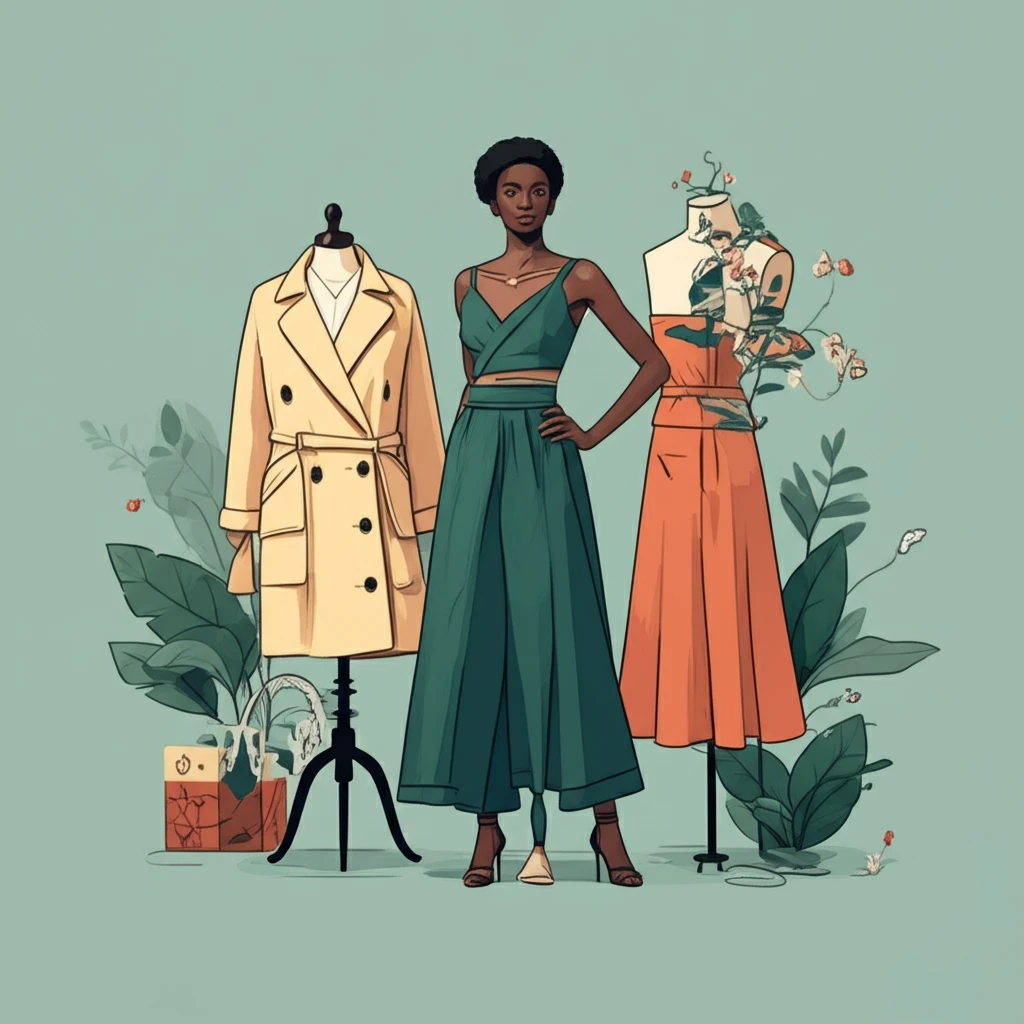 October 11
Discover the top 10 sustainable fashion trends for 2025, from circular models and bio-based fabrics to digital fashion and fair labor practices. Learn how to embrace eco-chic style.
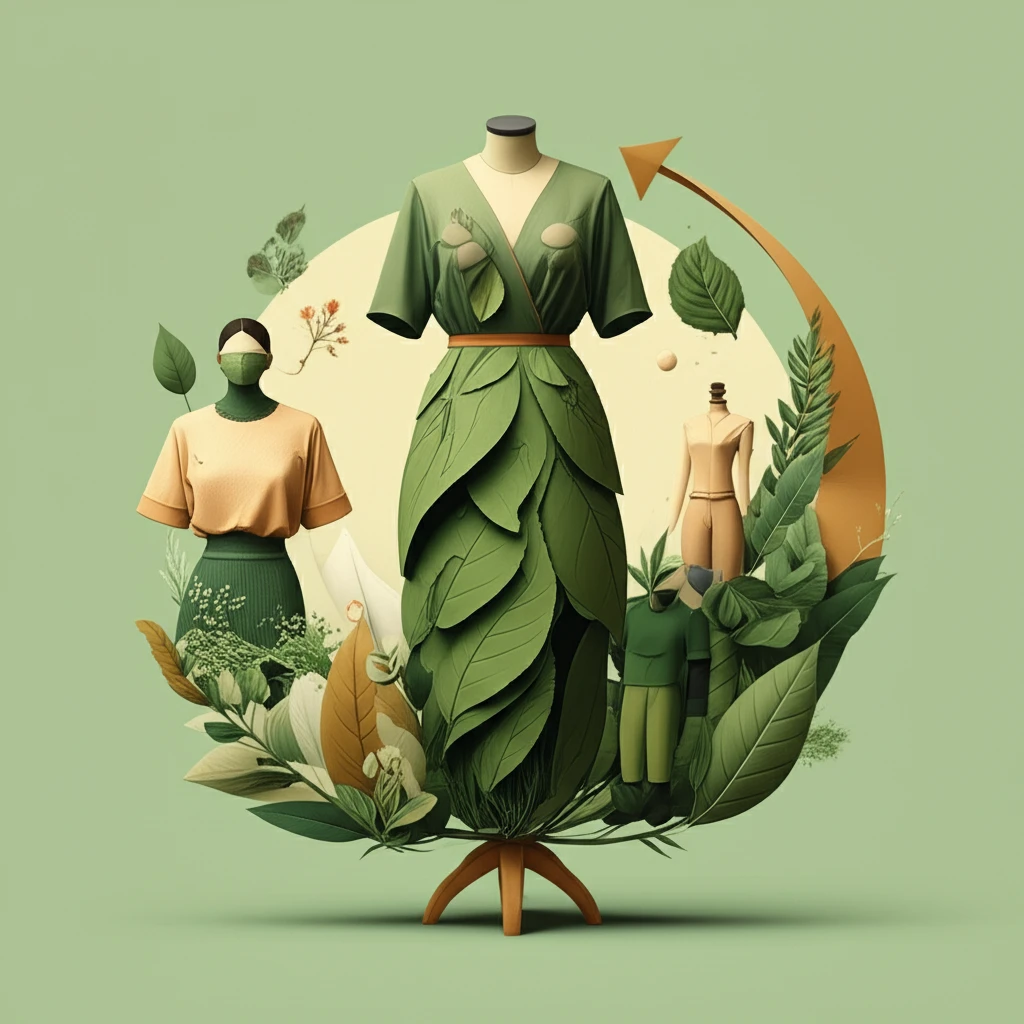 October 11
Discover the top 10 sustainable fashion trends shaping 2025. Learn about eco-friendly materials, circular fashion, ethical production, and practical tips to build a greener wardrobe.
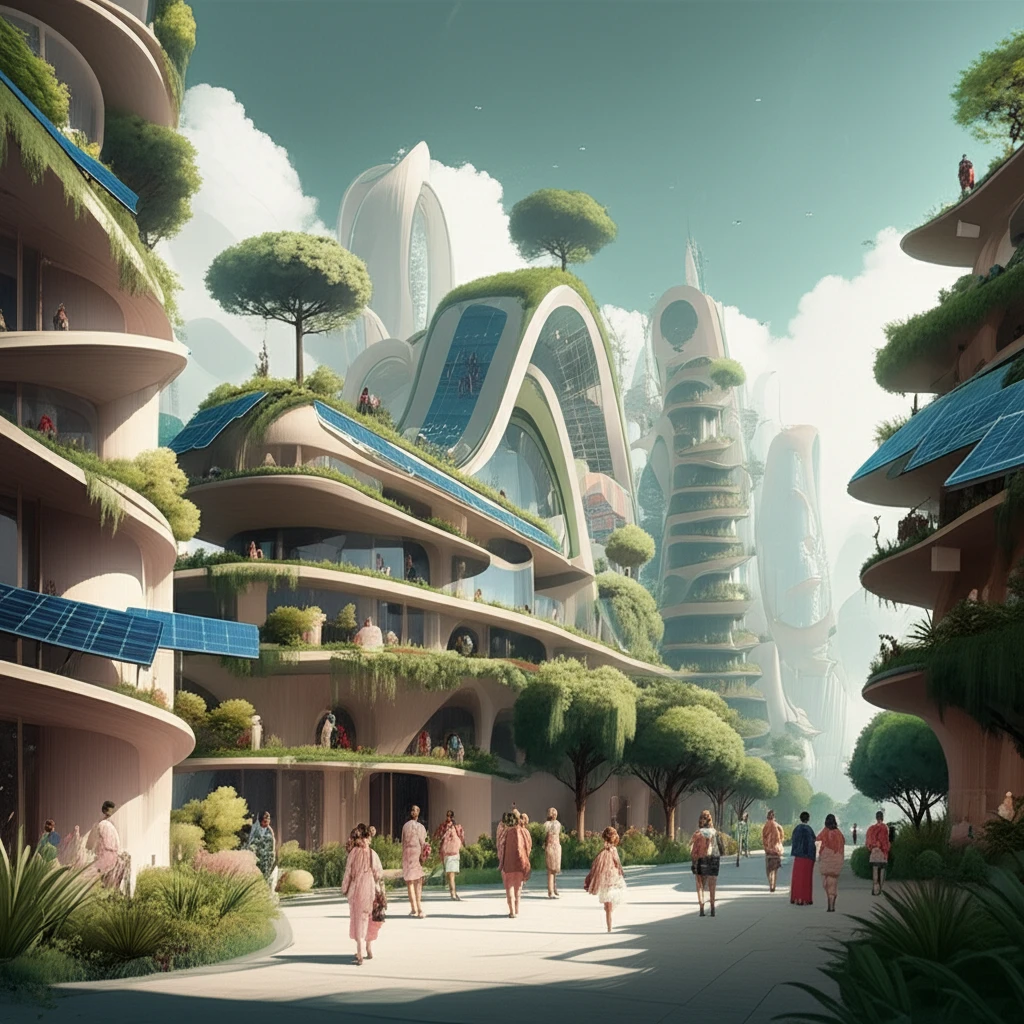 October 11
Explore the top 10 sustainable fashion trends shaping 2025. Discover eco-friendly materials, circular models, and practical tips to build an ethical wardrobe. Future-proof your style!