Eco-Chic Future: Top 10 Sustainable Fashion Trends to Watch in 2025
Discover the top 10 sustainable fashion trends for 2025, from circular models and bio-based fabrics to digital fashion and fair labor practices. Learn how to embrace eco-chic style.

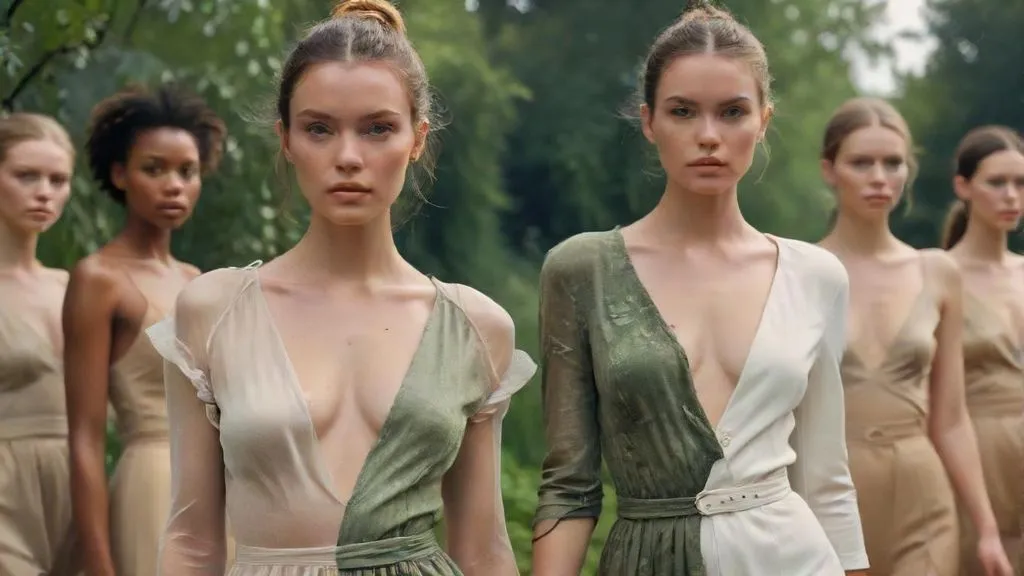
The fashion industry is undergoing a transformative shift towards sustainability, driven by growing consumer awareness and environmental urgency. As we look ahead to 2026, sustainable fashion is no longer a niche concept but a mainstream imperative. This article explores the top 10 sustainable fashion trends that will define the industry next year, offering insights and practical tips for everyone to embrace an eco-chic lifestyle.
The linear 'take-make-dispose' model is rapidly being replaced by circularity. In 2026, expect to see an explosion of rental, resale, repair, and recycling services. Brands are investing heavily in buy-back programs and second-hand platforms, making it easier for consumers to extend the life of their garments. This trend not only reduces waste but also promotes a more accessible and diverse fashion ecosystem.
Practical Tip: Before buying new, explore platforms like The RealReal, Vestiaire Collective, or local consignment stores. Consider renting special occasion wear from services like Rent the Runway.
Research and development in sustainable materials will reach new heights. Expect to see a wider adoption of innovative fabrics derived from unexpected sources. Think mushroom leather (Mylo™), orange silk, pineapple leaves (Piñatex), algae-based dyes, and regenerative cotton. These materials offer lower environmental impact, often requiring less water, pesticides, and energy.
Practical Tip: When shopping, look for labels specifying bio-based materials or certifications that guarantee the origin and sustainability of the fabric.
Upcycling, the creative reuse of discarded items into new products, will continue its ascent. Consumers are increasingly seeking unique, personalized pieces that tell a story. This trend encourages a shift from mass production to individual creativity, often involving local artisans and small businesses. Expect brands to offer customization services and workshops.
Practical Tip: Give old clothes a new lease on life by learning basic sewing skills, attending upcycling workshops, or seeking out brands that offer customization services.
Digital fashion, from virtual try-ons to NFT (Non-Fungible Token) garments, will gain significant traction. This trend offers a sustainable alternative to physical consumption, especially for highly trend-driven items or social media content. It reduces the need for physical samples and offers a zero-waste way to express style in the metaverse.
Practical Tip: Explore digital fashion platforms and consider virtual clothing for your online presence to reduce your physical fashion footprint.
Consumers are demanding greater transparency about where and how their clothes are made. Blockchain technology and QR codes on garment tags will become more common, allowing shoppers to trace a product's journey from raw material to finished item. This trend fosters accountability and helps consumers make informed ethical choices.
Practical Tip: Look for brands that openly share their supply chain information and certifications on their websites or product tags.
The counter-movement to fast fashion, slow fashion emphasizes timeless designs, high-quality craftsmanship, and longevity. In 2026, consumers will prioritize investing in fewer, more durable pieces that transcend seasonal trends. This reduces overall consumption and waste.
Practical Tip: Build a capsule wardrobe of versatile, high-quality items that can be mixed and matched. Prioritize classic styles over fleeting trends.
Beyond environmental concerns, social sustainability will be a major focus. Brands will face increased scrutiny over their labor practices, ensuring fair wages, safe working conditions, and empowering local communities. Certifications like Fair Trade will become even more crucial in guiding consumer choices.
Practical Tip: Support brands that are transparent about their labor practices and hold certifications for ethical production.
The fashion industry is a major consumer of water, especially in dyeing processes. In 2026, innovative technologies like waterless dyeing, supercritical CO2 dyeing, and natural dyes will become more widespread. Additionally, eco-friendly finishes that reduce microplastic shedding and chemical waste will be prioritized.
Practical Tip: Research brands that utilize advanced eco-friendly dyeing techniques or offer undyed garments, embracing natural aesthetics.
Fashion is increasingly moving beyond traditional gender binaries, embracing fluid designs that can be worn by anyone. This trend not only promotes inclusivity but also contributes to sustainability by broadening the appeal and potential lifespan of garments, reducing the need for separate product lines and excess inventory.
Practical Tip: Explore brands that offer gender-neutral collections, which often feature versatile designs and high-quality construction.
The most powerful trend for 2026 is the informed and conscious consumer. With easier access to information, shoppers will increasingly demand sustainable options and hold brands accountable. Education initiatives by brands and NGOs will empower individuals to make choices that align with their values.
Practical Tip: Stay informed by following sustainable fashion advocates, reading industry reports, and questioning brands about their practices before making a purchase.
The shift towards sustainable fashion is an exciting journey of innovation, ethics, and style. By embracing these top 10 trends for 2026, you can contribute to a healthier planet and a more equitable industry, all while looking fabulous. Every conscious choice, no matter how small, makes a significant difference in shaping a greener future for fashion.
 October 11
Discover the top 10 sustainable fashion trends for 2025, from circular models and bio-based fabrics to digital fashion and fair labor practices. Learn how to embrace eco-chic style.
 October 11
Discover the top 10 sustainable fashion trends shaping 2025. Learn about eco-friendly materials, circular fashion, ethical production, and practical tips to build a greener wardrobe.
 October 11
Explore the top 10 sustainable fashion trends shaping 2025. Discover eco-friendly materials, circular models, and practical tips to build an ethical wardrobe. Future-proof your style!