Eco-Chic Future: Top 10 Sustainable Fashion Trends to Watch in 2025
Discover the top 10 sustainable fashion trends for 2025, from circular models and bio-based fabrics to digital fashion and fair labor practices. Learn how to embrace eco-chic style.


The fashion industry is undergoing a significant transformation, driven by a growing global awareness of environmental impact and social responsibility. As we look towards 2025, sustainable fashion is no longer a niche concept but a mainstream imperative. Consumers are increasingly demanding transparency, ethical production, and eco-friendly materials, pushing brands to innovate and adapt. This article explores the top 6 sustainable fashion trends set to dominate in 2025, offering insights, examples, and practical tips for you to integrate into your wardrobe.
One of the most impactful shifts in sustainable fashion is the move towards a circular economy. This model aims to keep resources in use for as long as possible, extracting maximum value from them while in use, then recovering and regenerating products and materials at the end of each service life. In 2025, we'll see a surge in advanced textile recycling technologies that can break down complex fabric blends and regenerate fibers, significantly reducing waste.
The quest for sustainable materials continues to drive innovation. 2025 will see a proliferation of bio-based textiles derived from natural sources, offering alternatives to petroleum-based synthetics and resource-intensive natural fibers like conventional cotton.
The metaverse and digital fashion are emerging as unexpected allies in sustainability. By creating virtual clothing, brands can reduce physical waste, minimize carbon emissions from manufacturing and transportation, and experiment with designs without consuming real-world resources.
Consumers are no longer satisfied with vague claims of sustainability. In 2025, genuine transparency regarding supply chains, labor practices, and environmental impact will be a hallmark of luxury and credibility. Brands will increasingly use technology like blockchain to provide verifiable data on their products' journey from raw material to final garment.
The second-hand market and fashion rental services are exploding, extending the lifespan of garments and challenging the traditional linear consumption model. This trend significantly reduces the demand for new production and helps circulate existing resources.
A renewed appreciation for local production, artisanal skills, and handcrafted quality is gaining momentum. This trend supports local economies, reduces transportation emissions, and often ensures fairer labor practices and unique, durable products that stand the test of time.
Integrating sustainable fashion into your life doesn't have to be overwhelming. Here are some actionable steps:
2025 is poised to be a pivotal year for sustainable fashion, with innovation, transparency, and circularity leading the way. These top 6 trends highlight a collective movement towards a more responsible and ethical industry. By understanding and embracing these shifts, consumers have the power to drive positive change, building a wardrobe that is not only stylish but also kind to the planet and its people. The future of fashion is green, and it's exciting to be a part of it.
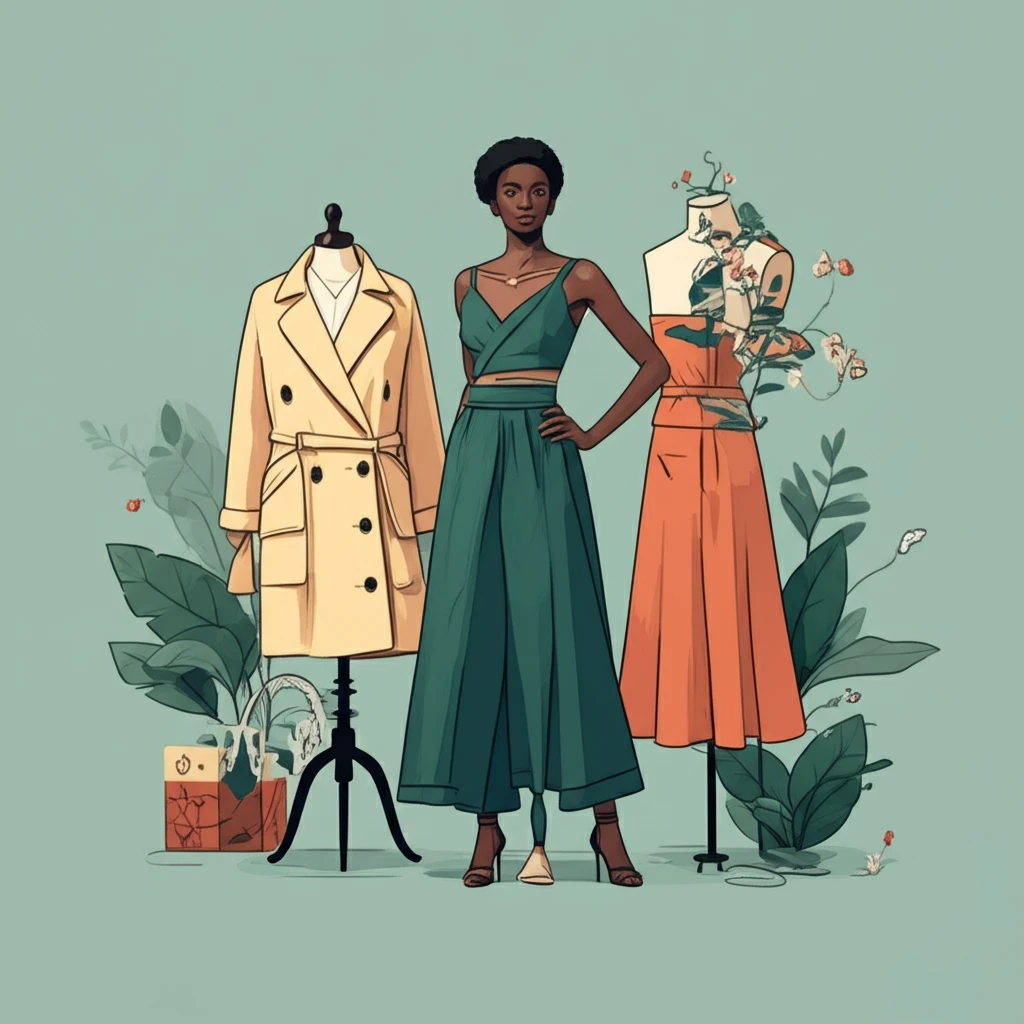 October 11
Discover the top 10 sustainable fashion trends for 2025, from circular models and bio-based fabrics to digital fashion and fair labor practices. Learn how to embrace eco-chic style.
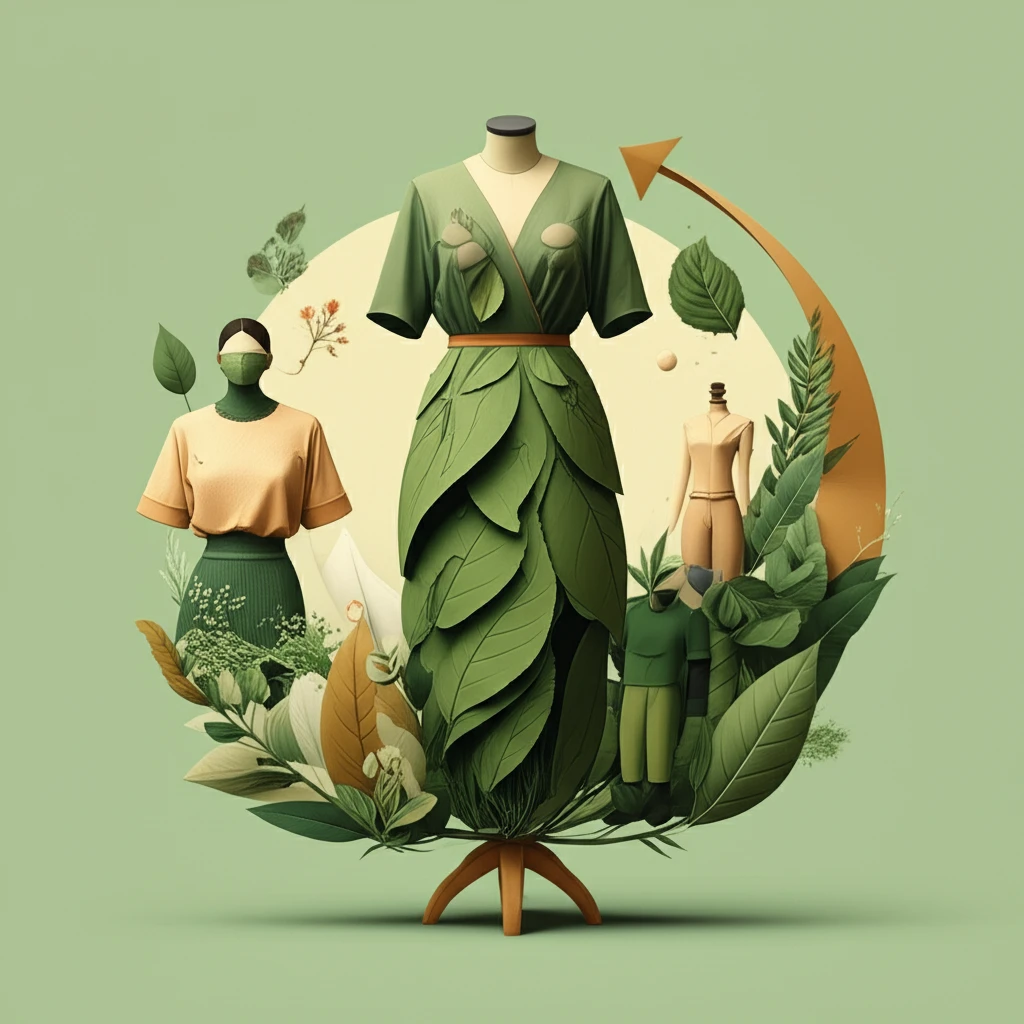 October 11
Discover the top 10 sustainable fashion trends shaping 2025. Learn about eco-friendly materials, circular fashion, ethical production, and practical tips to build a greener wardrobe.
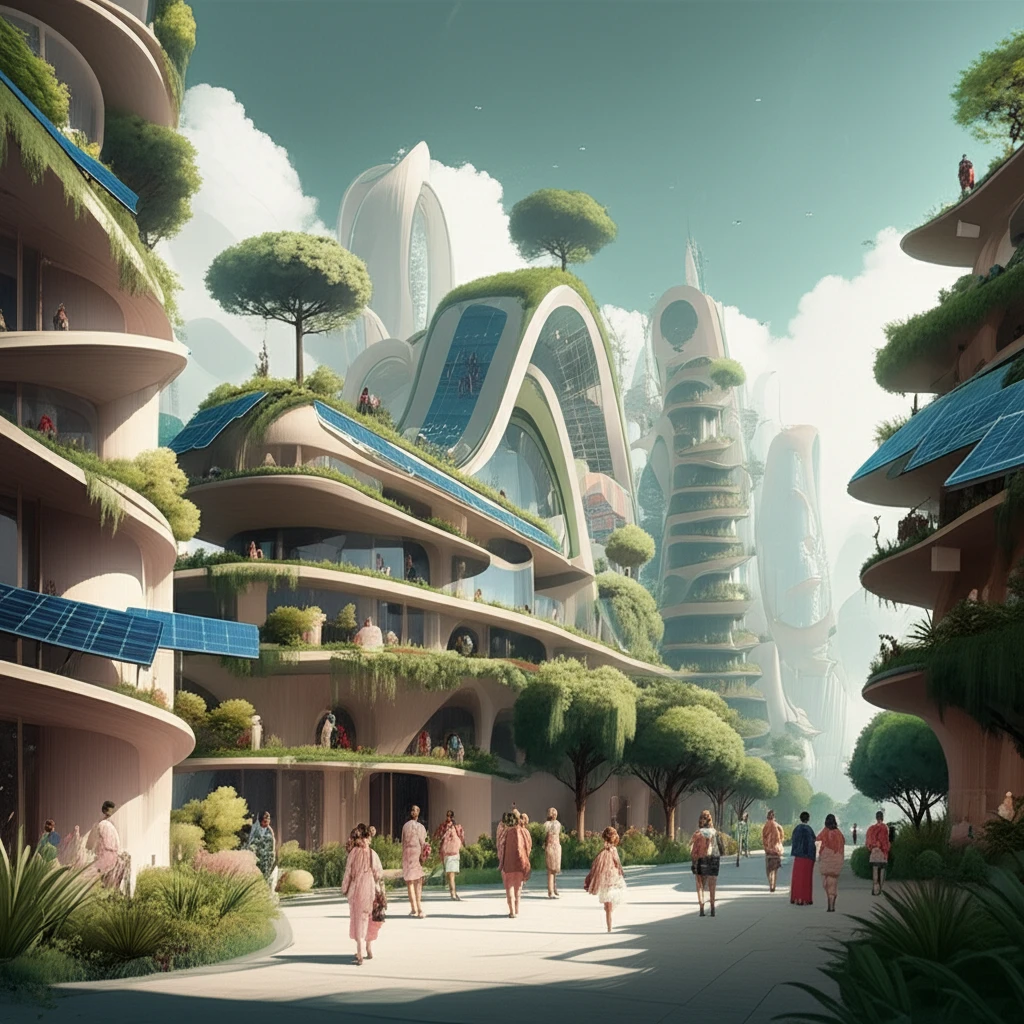 October 11
Explore the top 10 sustainable fashion trends shaping 2025. Discover eco-friendly materials, circular models, and practical tips to build an ethical wardrobe. Future-proof your style!